
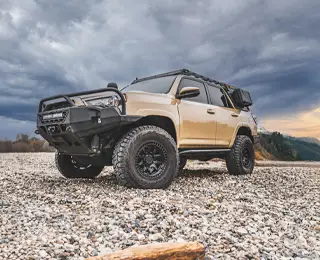
Tires for Lifted Trucks: What To Know Before You Buy
Lifting your truck is undeniably cool and adds a certain bit of ruggedness to any rig, along with increased clearance and traction for off-road adventures. But to appreciate all the benefits of that lift, you need the right wheels and tires. Our professionals are here to help. Les Schwab has been lifting and leveling vehicles for decades, along with alignment services, once those lifts are complete. Here’s how to choose the right tires for your lifted vehicle.
Book an Appointment Today
Choosing the Right Tire Type for Your Build
Lifted trucks require the right set of tires, both for looks and functionality. Choosing the right tires starts by knowing what you want those tires to do. Are you looking for added performance, comfort on a daily commute, off-roading excellence, or simply something to get you to and from the store as well as out camping on the weekend?
Your three main options are all-terrain (AT) tires, mud-terrain (MT) tires, and rough-terrain (RT) tires.
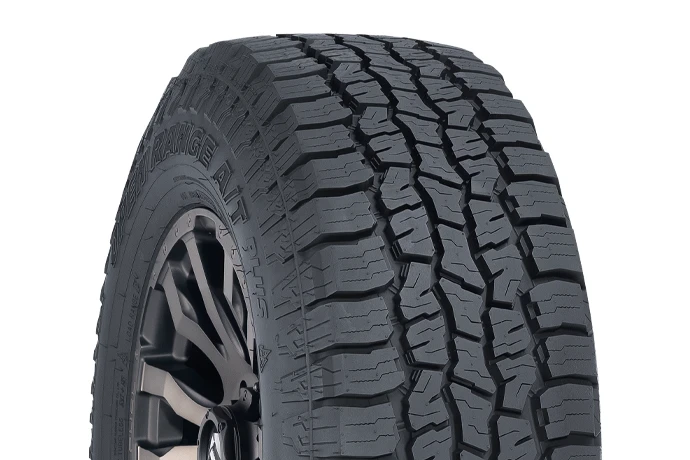
All-Terrain (AT) Tires:
- Great for daily driving (performance)
- Some off-roading
- Camping and towing
- Offers an aggressive look
- All-weather traction
- Long tread life
- Durability
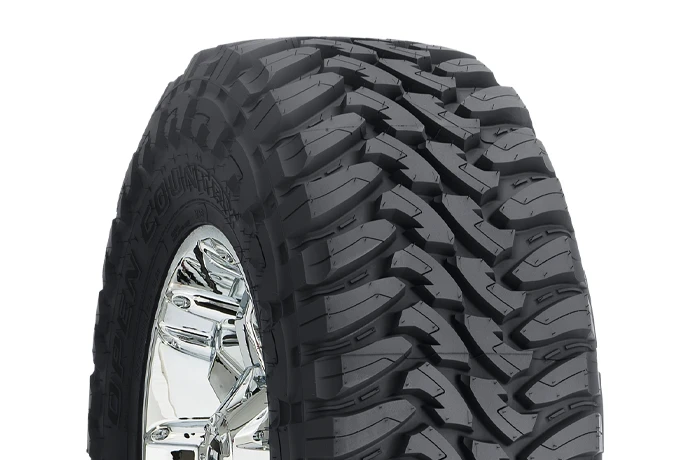
Mud-Terrain (MT) Tires:
- Aggressive traction
- Maximum durability
- Ultimate traction in mud, dirt, rocks, and gravel
- Noisier than AT tires
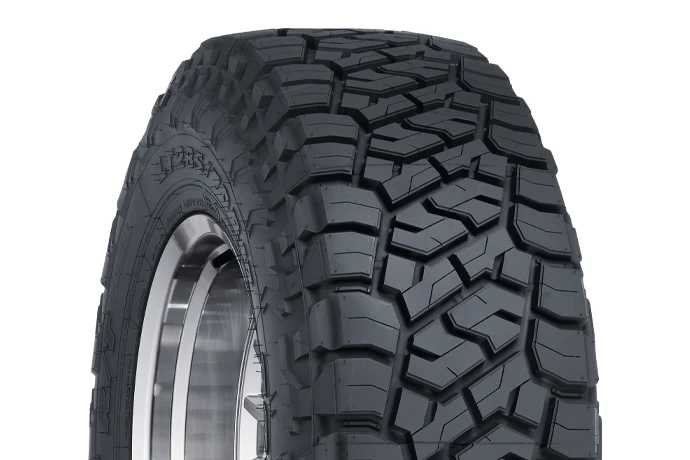
Rugged-Terrain (RT) Tires:
- Off-road looks
- Off-road performance
- Daily driving performance
- Year-round traction
- Comfortable ride in the city
- Quieter than MT tires
Sizing Tires for Lifted Trucks
Lifting your rig does provide much-needed clearance for off-road conditions as well as work needs. It also makes it possible to switch out to larger tires and wheels to match. Just remember, the tires still need to fit inside the wheel well. If those tires are too large, they could scrape on the inside of the fender. While that can be fixed by trimming some plastic components, those larger tires can also affect your speedometer and odometer readings. You could be going faster than what your speedometer is reading, which can also increase how fast you put miles on your rig.
As you shop for tires, it’s important to consider the width of the tire, aspect ratio, and rim diameter.
- Wider tires = larger contact patch. That means you get more grip. But with the grip, you sacrifice MPG or range.
- The aspect ratio is a percentage of the sidewall height. The higher the aspect ratio, the better the tires are for off-road conditions. Lower aspect ratios are good for on-road use.
- The rim diameter must fit the tires you plan to use.

How Load Index and Speed Rating Impact the Safety of Lifted Trucks
When upgrading to larger tires, it’s critical that they meet or exceed your truck’s recommended load index and speed rating. These specs ensure your tires can safely support the added weight and driving demands of a lifted setup, especially when towing, hauling gear, or traveling at highway speeds.
Load Index
Load index indicates how much weight each tire can support when properly inflated. Lifted trucks often carry more gear, passengers, or tow heavier loads, making this rating especially important. Learn how to use load index and load range to pick the right tires for your vehicle to avoid excessive wear or potential tire failure.
Speed Rating
The speed rating is the maximum speed the tires on your truck are designed to carry the vehicle. The wrong tires with a less-than-adequate speed rating for your vehicle can cause safety issues, including tire failure and a loss in fuel efficiency. Most lifted trucks are not intended for speed, but it is an important number to meet or exceed. Use Les Schwab’s guide on how to read tire size and sidewall markings to find your tire’s speed rating and other key specifications.
Staying Within Safety Specs
Oversized or off-road tires still need to match your vehicle manufacturer’s recommended load and speed specs. Les Schwab’s experts can help you decode sidewall markings and ensure your tires are the right fit for your lifted setup.
Les Schwab Knows Your Safety SpecsModifications You May Need for Larger Tire Fitment
Adding larger tires is totally doable in most situations. Once complete, there are some items you might consider, including:
- Reinforce steering components
- Adjust the alignment
- Adjust the suspension
- Recalibrate the speedometer
- Recalibrate the advanced driver assistance systems (ADAS)
- Re-gear differentials (more common on older vehicles or extreme fitments)
Stop by Les Schwab for a look at your truck, lift kit (if you already have one), and what kinds of tire and wheel assemblies you need for safety and performance.

Let Les Schwab Help You Choose the Right Tires for Your Lifted Truck
Remember, when choosing the right tires for your lifted truck, ensure they match your overall needs. Will you be taking your truck four-wheeling, or are you planning to stay on the pavement most of the time? Plus, they need to meet or exceed the load index, speed rating, and other safety and performance indicators set forth by the manufacturer of your rig.
When you’re ready to lift your truck or get the right tires for your vehicle, you can trust the team at Les Schwab. We’ve been lifting, leveling, and helping people find the right tires for a long time. We’ll be here when you need us, too.
Shop Tires for Lifted Trucks
Les Schwab Tire Team
Published: September 25, 2025
Find more content from our expert tire team on YouTube.
What you need to know
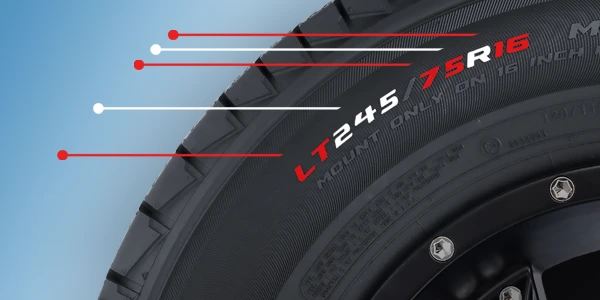
Tire Size Explained: What Do The Numbers On The Side Of A Tire Mean?
Everything you need to know about tire sizes and how to understand what the numbers on the sidewall mean. See our helpful sizing charts.
Can I Put Smaller Tires On My Car or Truck?
Will buying smaller tires impact your car’s safety and driveability? Read this article to find out how smaller tires affect your vehicle’s performance.

How to Choose Winter Tires: Complete Buying Guide & FAQs
Learn how to choose the best winter tires for your vehicle with our guide. Get expert tips, understand tire differences, and explore top FAQs from Les Schwab.