
Tread Designs and Their Use Cases for Commercial Tires
Hitting the road in a big rig or rolling across a jobsite or warehouse in a loader or forklift takes more than a license or certification. It also takes the right tires. The tread on today’s commercial tires is built for traction, durability, fuel economy, and maximizing the bottom line. The tread you choose depends on the vehicle, where you’re working, and what that work entails. The wrong tread can wear down too quickly, reduce control, and end up costing you more in the long run. Les Schwab understands your commercial tire tread needs, including how to help you control costs and keep rolling with retreading options and on-site maintenance. Let’s look at your tread options to help you match the tread design to your vehicles, terrain, and workload.
Explore Commercial Tires and ServicesWhat Are the Main Commercial Tire Tread Patterns?
Commercial vehicles use specialized tires and tread to get the most out of every mile, tackling the toughest jobs. Similar to passenger cars, each type of tread has a specific function. Some of the more common commercial tire tread options include rib tread for long haul or highway applications, lug and block tread for off-road use and job sites, mixed-use tread for everyday and everywhere use, and smooth tread for industrial uses. Les Schwab carries the tires and tread options for your commercial rigs and equipment.
Matching Tread to the Job: Common Use Cases
Let’s take a quick look at the different commercial tire needs and the best tread for those jobs.
Long-Haul & Highway Fleets
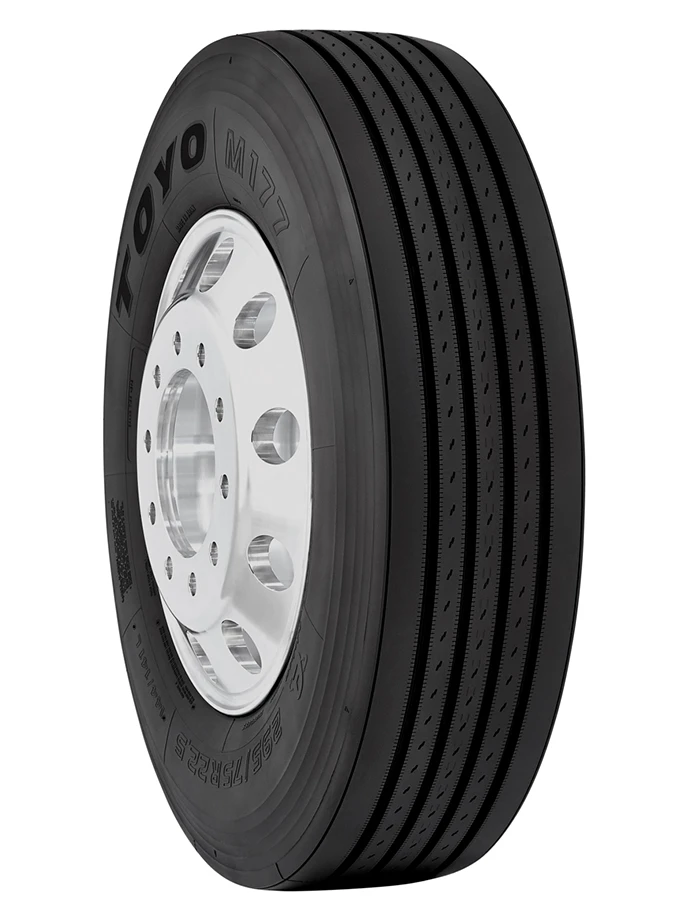
Rib tread commercial tires for trucks and buses feature several circumferential ribs or bands of rubber that run parallel to the tire. Optimized for a low rolling resistance for fuel efficiency, these grooves and the lack of large tread blocks make them ideal for long-haul trucks and trailers, as well as highway vehicles putting in long miles.
Get Truck and Bus Tires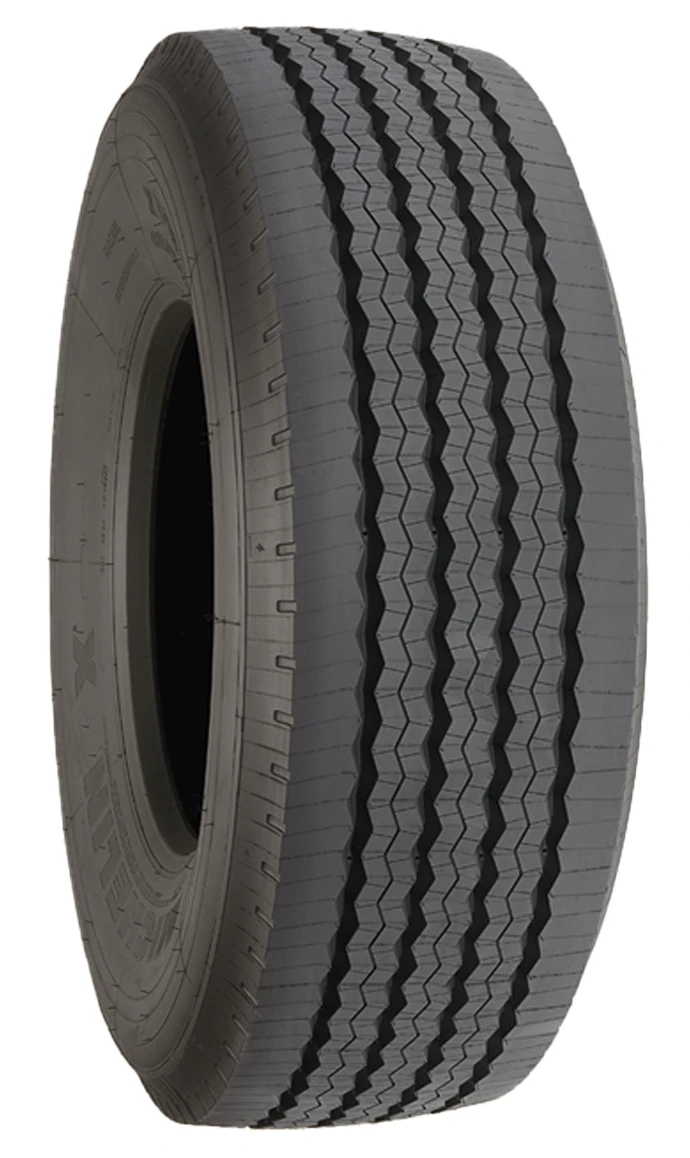
Regional and Urban Delivery Fleets
Mixed-service or hybrid tire tread is perfect for local delivery trucks and other commercial rigs that make plenty of stops, turns, and encounter pavement, gravel, the occasional curb, and some less–than-favorable weather. These tires are built to withstand potholes and sidewall damage.
Fleet Services Keep You Working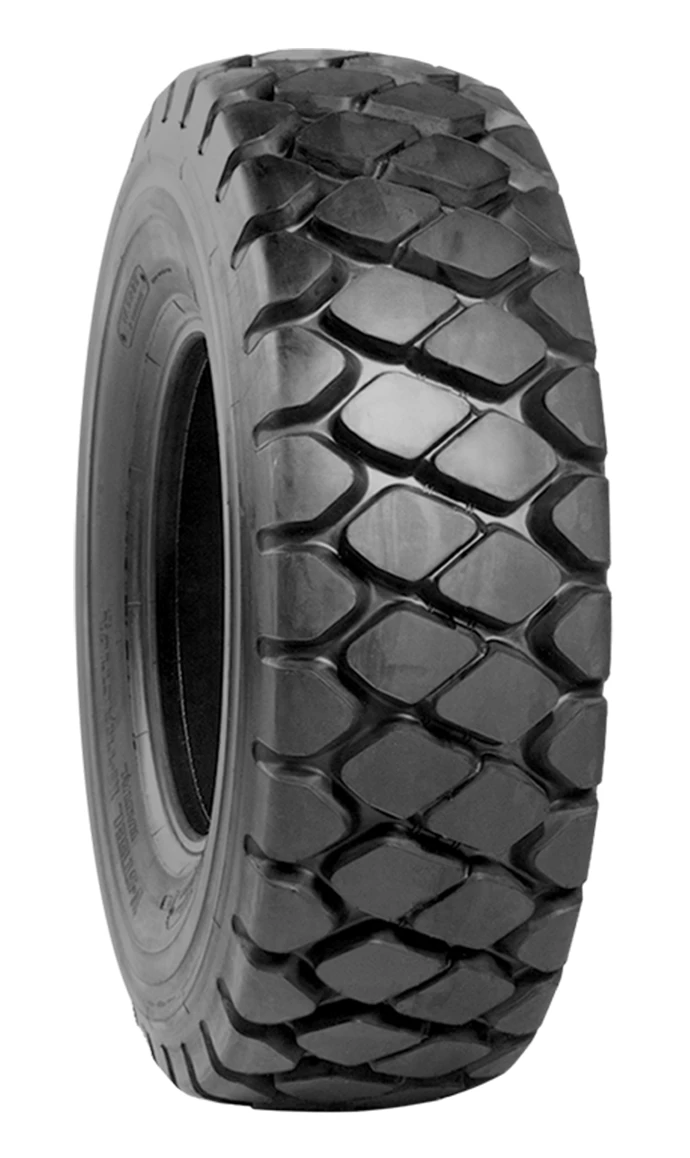
Construction & Off-Road Equipment
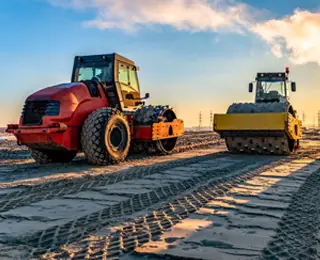
The tread you need to keep you digging, building, scraping, lifting, and working needs some deep lugs and open shoulders. These tires are built for dump trucks, loaders, graders, scrapers, and more. Skid steer and backhoe tracks are also common.
Let’s Talk Construction Tires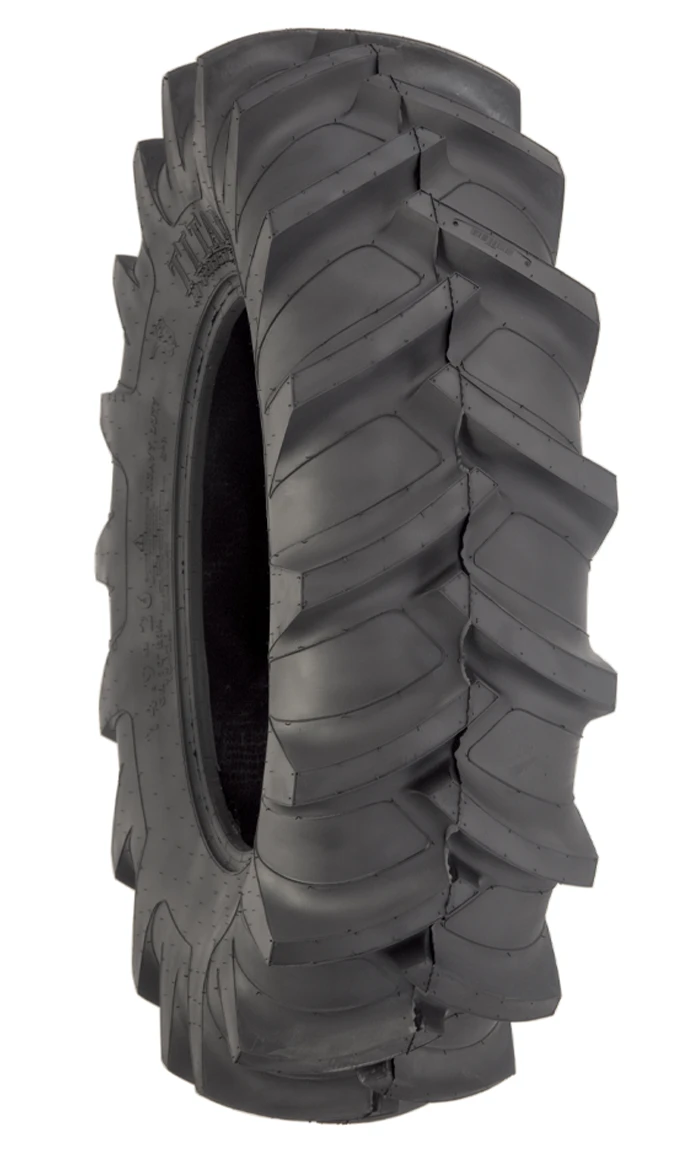
Agricultural Equipment
Farming and ranching are among the toughest jobs out there. The tires and tread you use have to keep up. Tread patterns include R-1 for general agricultural applications (including options that reduce soil compaction), R-2 tread for wet and muddy soils, R-3 to minimize damage to the ground (perfect for mowers and landscaping), and R-4 for farm-wide applications such as harvesters and tilling equipment.
Explore Farm Tire Services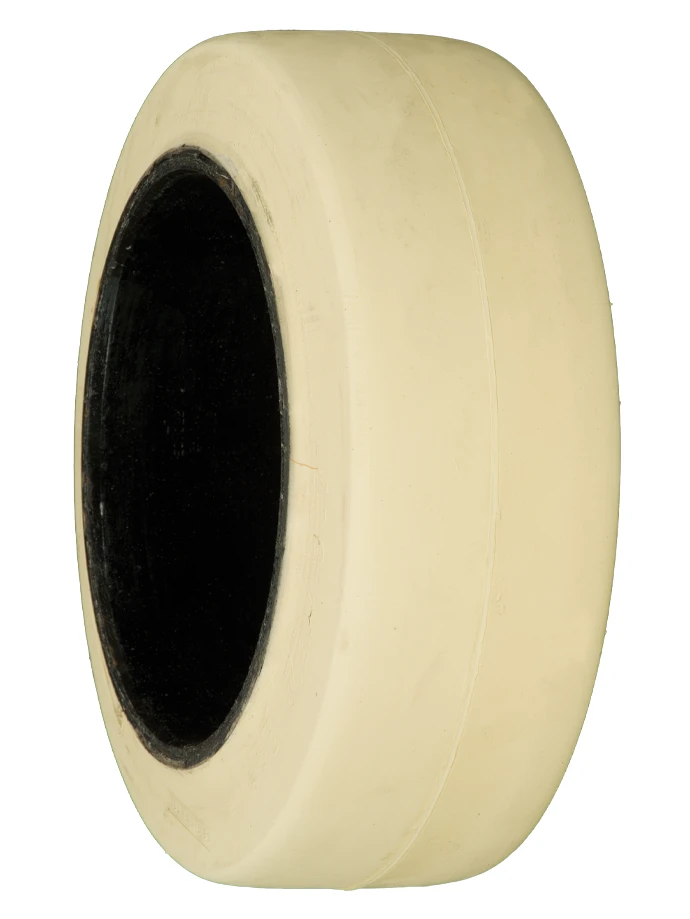
Industrial & Warehouse Use
Warehouses require specific treads for safety, performance, and everyday use. Non-marking, slicks, hybrid (with some tread), and smooth or solid rubber tires with minimized tread are purpose-built to keep your rigs working. Indoor vehicles should stick to smooth treads, while vehicles that continually move from indoor to outdoor job sites require a hybrid option.
See Industrial Tire Options
Why Tread Design Matters
As with passenger cars and trucks, the tread you put on your commercial vehicles and agricultural equipment matters. Deeper tread offers more grip for off-road jobsites, while smoother tread can help minimize rolling resistance to save money on fuel and recharging. Choosing the right tire tread for the job not only keeps your crew working, but it can also help prolong the life of those tires, as well as improve safety and performance.
The professionals at Les Schwab can help you choose the right tires and tread for your commercial rigs. That includes options that can be retreaded for added savings and convenience.
How Les Schwab Helps You Choose the Right Tread
Les Schwab commercial services is here to help, with many of our locations offering 24-hour emergency services, on-site maintenance, and stores close to your job site, warehouse, farm, or ranch. Our team of professionals can help you choose the right tires for your work, offer retread options when available, and provide business-friendly financing to keep your team working.
Start Your Commercial Account
Les Schwab Tire Team
Published: October 16, 2025
Find more content from our expert tire team on YouTube.
What you need to know

Are All-Season or All-Weather Tires Okay in the Snow?
Understand the differences between all-season, all-weather, and winter tires and match the best tire to your winter driving needs.
How To Choose the Best Tires for Your Trailer
Looking for the best trailer tires for your camper, boat, or horse trailer? Read this article and find out how Les Schwab helps you make the right choice.
When To Replace Construction Equipment Tires
Learn about the different types of tires for construction equipment and how Les Schwab's commercial tire services can help prevent job-site downtime.