
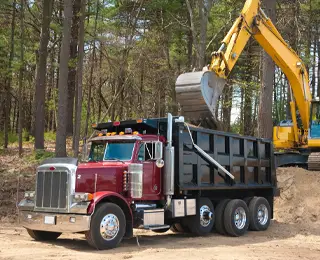
When To Replace Construction Equipment Tires
Les Schwab has been helping families, farmers, and businesses with the tires they need since 1952. When it comes to commercial options, we’re here to help reduce downtime and keep your rigs moving with the right tires and a tire maintenance/inspection schedule that works for you. Here’s a quick look at when to replace construction tires to avoid idle costs and keep your rigs moving.
Understanding the Different Tire Types for Construction Equipment
The three types of construction tires include bias, radial, and solid. Each tire type is used for specific equipment and terrain, including specialized tread.
Learn more about radial and bias ply tires.
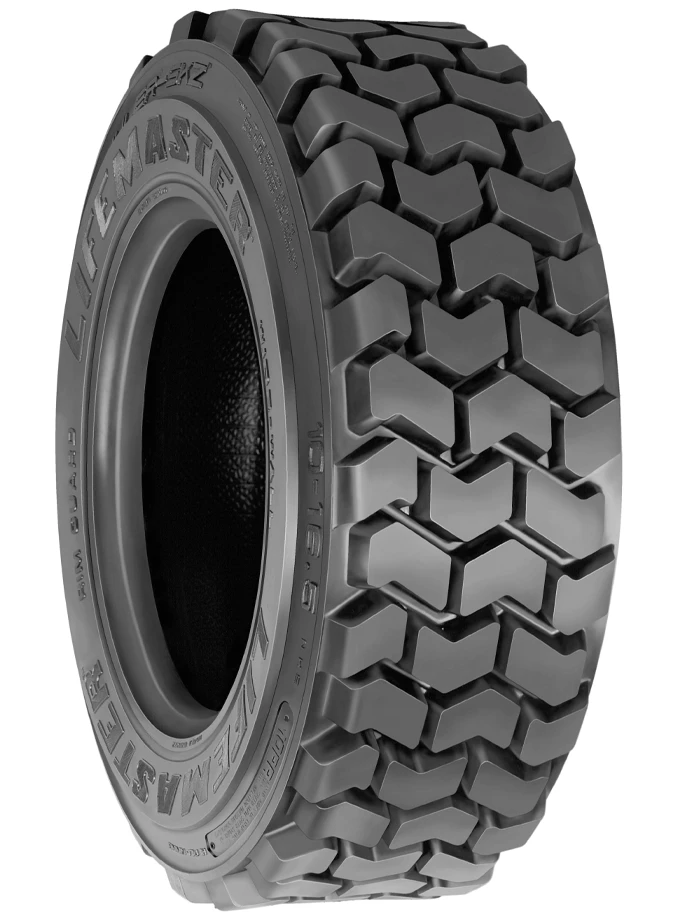
Bias Tires
These tires are best for loaders and scrapers. Often called OTR (off-the-road) tires, bias tires are designed for heavy loads, low speeds, as well as superior strength and resistance to cuts and punctures. While they are built for construction sites, tread can wear quickly when used for long-distance travel.
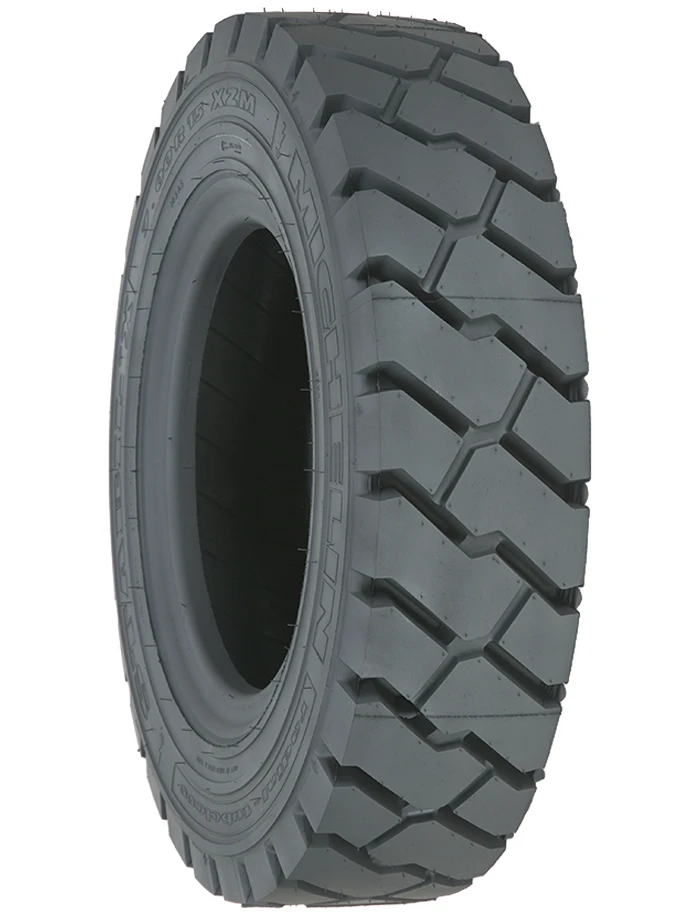
Radial Tires
Radial tires are the modern standard, built for lower rolling resistance and flexibility to travel on uneven ground on dump trucks, highway graders, and more. While radial tires are built for nearly every terrain, they are not quite as resistant to cuts and punctures as some bias tires.
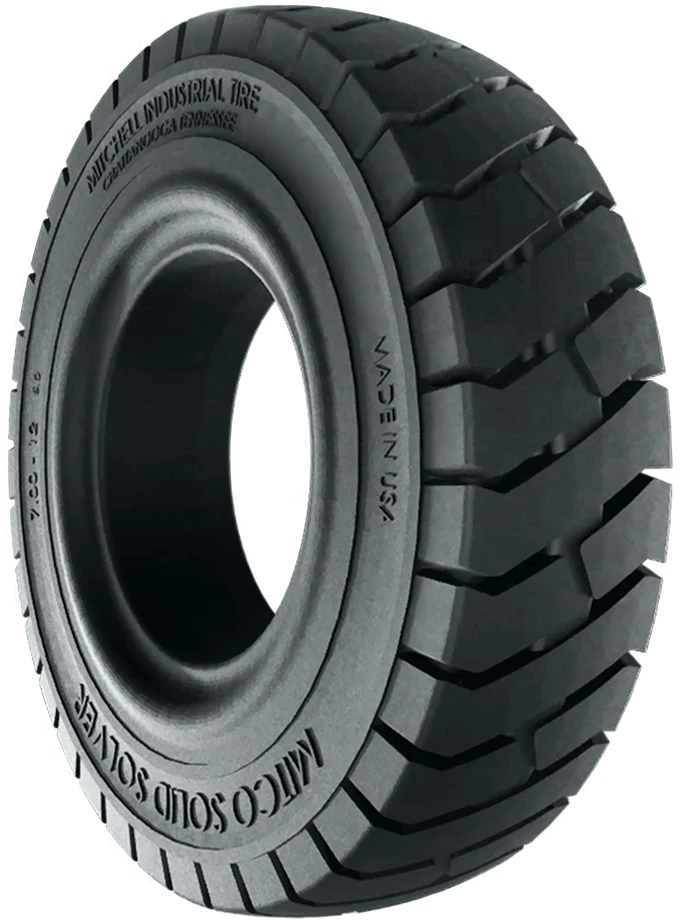
Solid Tires
These solid-rubber tires are 100% puncture-proof. They’re ideal for forklifts, skid-steers, and other small equipment that handle heavy loads and encounter plenty of construction obstacles and debris. The drawback? Without any air in the tires, comfort and fuel efficiency are compromised.
| Tire Type | Advantages | Drawbacks |
|---|---|---|
| Bias Tires |
|
|
| Radial Tires |
|
|
| Solid Tires |
|
|
You’ll find the construction tires you need at Les Schwab.
Signs Your Construction Tires Need Replacement
It’s easy to determine when a set of passenger car tires is ready to be replaced. But construction tires are a little different. Instead of only measuring the tread depth, we recommend you also look for structural damage, overall wear, how well a tire holds air, and how long a tire has been in service.
- Inspect construction tires weekly: Look for bulges on the sidewall, deep cuts or cracks on the sidewall or in the tread, and bead damage between the tire and the wheel. If any of those inspections find an issue, it may be time for new tires.
- Give the tread a monthly inspection: You’re risking downtime as that tread disappears. Don’t wait until the tread depth is too low.
- Check the air pressure daily: Under or overinflating construction tires, based on equipment and tire manufacturer recommendations, could cost you more in the long run. If you’re unsure of the air pressure you need, or if a tire keeps losing air or shows signs of a slow leak, call the professionals at Les Schwab.
- Retire older tires: Keep track of the tires on each of your rigs with a log book or spreadsheet. As they age, consider replacing them before you experience a blowout or other issues.
The professionals at your local Les Schwab can come to your jobsite to inspect, repair, and replace your construction tires. Get a hold of us today.
Maximizing Construction Equipment Tire Performance
To maximize how much work you get out of your construction tires, pay close attention to the following:
- Load size: Don’t try to pack too much into a trailer or scoop.
- Terrain: If your tires aren’t built for a jobsite, don’t push it. Replacing a ruined set of tires can be costly.
- Air pressure: Give your construction tires a daily air pressure check. Keeping them properly inflated can help prolong the life of your tires, and provide an early warning if a tire is regularly losing pressure due to a leak or issue with the bead.
- Regular inspections: The professionals at Les Schwab have been inspecting, repairing, and replacing construction tires at jobsites for decades. Give us a call and we’ll come to your location.
Choosing the Right Tires for Your Equipment
Where you work and the terrain your crew faces can really help pinpoint the type of tires you need for your rigs. Mud, gravel, construction debris, as well as paved roads and load capacity, are all factors when choosing the right tires.
Important factors to consider include:
- Load index and speed rating: The speed rating and load index as well as load range should meet or exceed the ratings established by the manufacturer and your job site needs.
- Tread pattern and tread type: The tread type and pattern matter. The professionals at Les Schwab can help you decide on the right tires for your jobsite(s).
Too busy to shop for tires? The professionals at Les Schwab are here to help you compare tread types, load ratings, and more with our commercial fleet tire management services.

Keep Your Construction Fleet Rolling With Les Schwab
We’ve been keeping construction sites running on the right tires for decades with our commercial fleet tire management services. From construction tires to flat proofing, retreading, powder coating, and more, our team is here to keep your crew working and your rigs rolling.
View All Les Schwab Construction Tire and Fleet Services
Les Schwab Tire Team
Published: January 19, 2026
Find more content from our expert tire team on YouTube.
What you need to know
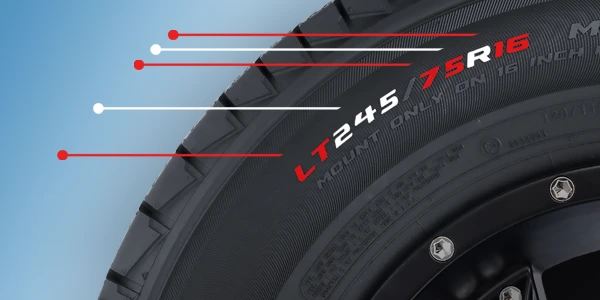
Tire Size Explained: What Do The Numbers On The Side Of A Tire Mean?
Everything you need to know about tire sizes and how to understand what the numbers on the sidewall mean. See our helpful sizing charts.
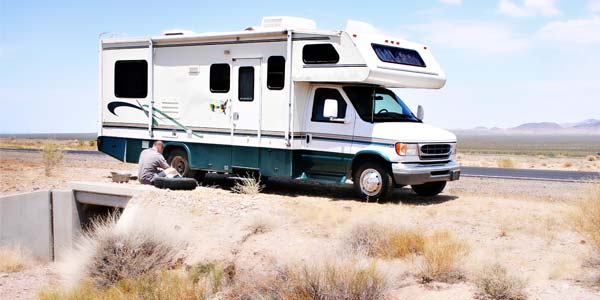
How to Avoid & Prepare for a Flat Tire on Your RV or Trailer
Planning ahead can help prevent flat tires on your RV or trailer. Check out expert tips and tools to keep your vacation hassle-free.
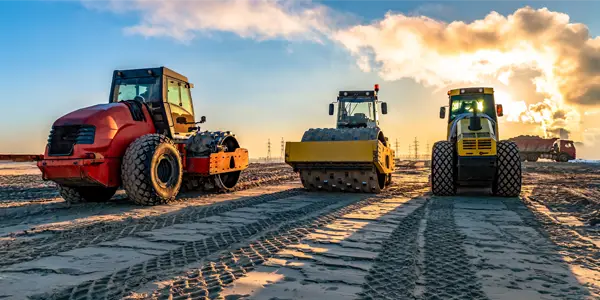
Tread Designs and Their Use Cases for Commercial Tires
Find the best commercial tire tread for your fleet or farm equipment. Les Schwab helps match tread design to your vehicle, terrain, and workload.