
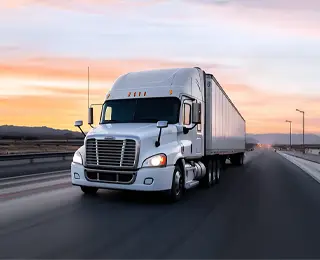
Your Guide to Commercial Tires and Their Applications
Les Schwab has made service one of our top priorities since opening our doors in 1952. That focus on customer service includes our commercial options for companies with a single vehicle or operations running an entire fleet. That includes trucks, buses, construction, industrial, and farm equipment. We even offer retread options. Let’s take a look at some of the types of commercial tires, what each is used for, and how our team of professionals can help you choose the right tires to keep your crew rolling.
Start Your Commercial AccountThe Different Types of Commercial Tires & Their Applications
From trucks and buses to farm implements and vehicles, construction rigs, and industrial equipment, everything that rolls needs fresh and functional tires or tracks.

Truck and Bus Tires
Commercial tires include those for fleets, trucks and buses, construction equipment, off-the-road jobsite vehicles, some farm equipment, as well as industrial and material handling rigs. Those include long-haul semis, flat-bed trucks, dump trucks, and jobsite rigs that work hard every day. Les Schwab is ready to help you get the right tires and tread for everything your team drives. Looking for a specific brand of tire? We carry many major brands, ensuring a wide selection of price, value, and warranty.

Farm Tires
Farm and ranch work takes specialized tires, tread, load capacity, and ply ratings for performance and longevity. Speed ratings for miles on paved roads and highways are also important. Whether it’s custom-built ag wheels, rubber tracks, pivot tires, and retreads, as well as farm and tractor tires for everything from implements to high floatation ag equipment such as tractors and combines, Les Schwab farm tire services can get it, deliver it, and install it.

Construction Tires
Ranging from big to even bigger, construction tires offer specific tread patterns and reinforced sidewalls for added grip, tire lifespan, and protection from worksite debris. Options include tires for loaders, scrapers, and haul trucks, graders and reach booms, skid steers and backhoes, as well as smaller equipment like wheelbarrows and tool carts. You’ll find the construction tires you need, and the people who can install, maintain, replace, and repair those tires and tracks at Les Schwab.

Industrial Tires
Industrial tires include every wheeled item in a warehouse, factory floor, or on a jobsite, from forklifts to handcarts, dollies and tugs, scissor lifts, and pallet jacks. They also include mowing equipment such as yard and golf carts, implements, and commercial mowers. The right tire size and tread depend on the equipment and where they’ll be used. The Les Schwab team can help you find the tires for your industrial needs.
How Tire Positioning Impacts Tire Choice
Installing the right tires for your commercial vehicle often includes choosing between steer and drive tire options, as well as trailer tires. The differences depend on what you’re driving or towing and the terrain and distances you’ll need to travel while working.
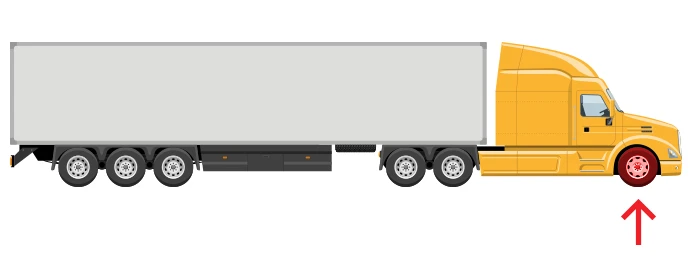
Steer tires are usually installed on the front axle. They affect steering, handling, and ride quality. These tires should have good sidewall protection and the right tread patterns for different weather conditions, terrain, or distances. For example, if you’ll be driving from jobsite to jobsite, a zig-zag pattern might work better than a smooth, straight tread designed for long distances.
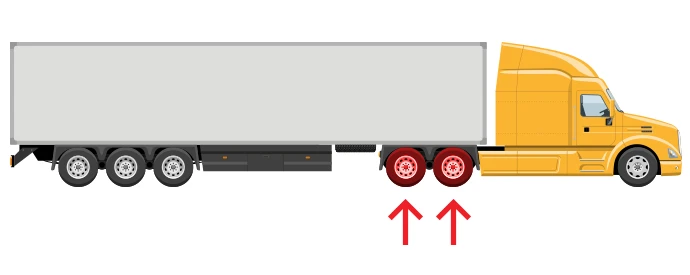
Drive tires are often installed on the axle that propels the vehicle. In commercial trucks and vehicles, this is often the rear axle. These tires should have an appropriate speed rating and load rating.
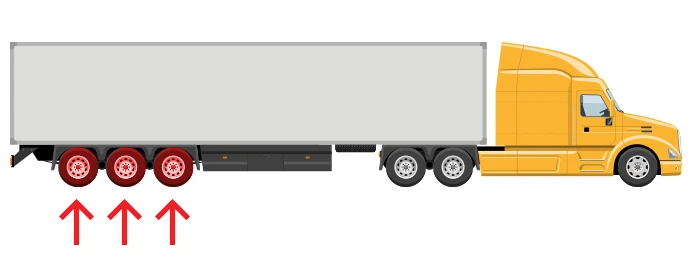
Trailer tires are built to withstand heavy loads. While they might not wear as quickly as the tires on other equipment, it’s important to check your trailer tires often for abnormal wear, cuts, and abrasions due to workplace hazards and everyday use. Also, keep those tires properly inflated to maximize their load-carrying capacity.
Matching Tires to Common Commercial Applications
Commercial trucks, buses, and other equipment require the right tires. Choose the wrong ones, and they could wear out too quickly or not work as intended, which can cause work delays or jobsite standstill. Check out our quick guide of tire features to help you start the process.
| Application | Recommended Tire Features |
|---|---|
| Long-Haul Fleets |
|
| Regional & Urban Fleets |
|
| Off-Road / Mixed-Terrain |
|
| Agricultural Equipment |
|
| Indoor / Industrial Use |
|
Factors to Consider When Choosing A Commercial Tire
Remember, when choosing tires for commercial and industrial use, keep these factors in mind.
Load index and speed rating. The speed rating and load index as well as load range should meet or exceed the ratings established by the manufacturer and your job site needs.
Tread pattern and tread type. Whether it’s paved roads, dirt or rock jobsites, or a factory floor, the tread type and pattern matter. The professionals at Les Schwab have the answers you need.
Sidewall strength. In some cases, the sidewall strength can help determine the tire's overall durability. That durability can add up to tires that can withstand curbs, rocks, nails, and more.
Retread potential. Retreading truck tires extends the life of the tire casing, saving you money while adding less to the landfill. In some cases, we can retread tires more than once, while meeting and exceeding quality and safety standards.

Find the Perfect Commercial Tires At Les Schwab
Finding the right tires for your commercial, industrial, farm, and jobsite vehicles is essential. The Les Schwab team is here to help you compare tread types, load ratings, and more to ensure you get exactly what you need, delivered, and installed at your worksite or acreage with our commercial fleet tire management services. To help keep things affordable and bookkeeping easy, Les Schwab offers work-now, pay-later commercial tire financing.
Start Your Commercial Account
Les Schwab Tire Team
Published: October 24, 2025
Find more content from our expert tire team on YouTube.
What you need to know
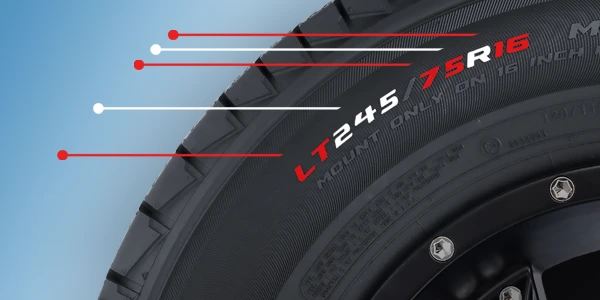
Tire Size Explained: What Do The Numbers On The Side Of A Tire Mean?
Everything you need to know about tire sizes and how to understand what the numbers on the sidewall mean. See our helpful sizing charts.

Guide to Dual Wheel Trucks (Dually) Maintenance
Recommended Meta Description Learn how to maintain your dual-wheel truck and save money with tips from Les Schwab, the trusted choice for heavy-duty truck and trailer tire services.
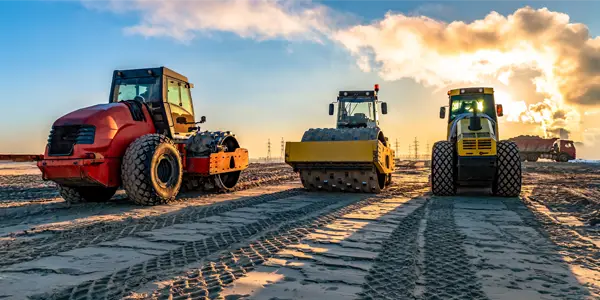
Tread Designs and Their Use Cases for Commercial Tires
Find the best commercial tire tread for your fleet or farm equipment. Les Schwab helps match tread design to your vehicle, terrain, and workload.