
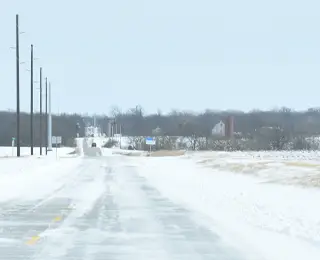
Tires Built for Midwest Weather and Road Conditions
Drivers in the Midwest face unique driving challenges, including some of the nation’s harshest winter conditions. In addition to snow, ice, rain, sunbaked blacktop, and long stretches of sub-zero temperatures, there are also traffic issues, enormous potholes, and deteriorating roadsides. Driving on the correct set of tires can help add traction, safety, and performance to every outing. Let’s take a look at driving in the Midwest and the tires we recommend for the region.
Why Midwest Driving Puts Tires to the Test
The weather can change quickly throughout the Midwest. Summer, spring, and fall can bring sunshine, torrential rain, wind, and who knows what else. Sometimes, all in the same 15 minutes. In the winter, it’s simply cold, mingled with black ice, strong winds, and whiteouts. Locals will tell you that it’s a lot colder in Northern Minnesota than Southern Missouri, but they’ll also urge you to be ready for anything. The tires on your vehicle are a good place to start.

Year-round, Midwest drivers face familiar paved highways and city streets. But they also travel on gravel roads and avenues littered with potholes, ice-melting chemicals (magnesium chloride), salt, cinder, and crumbling roadsides. That mixture of rocks, pavement, potholes, chemicals, and freeze-thaw cycles can put even the best tires to the test. The tires you choose can significantly impact how well they perform and last.
What Tire Features to Consider Most in the Midwest
Depending on when and where you plan to drive in the Midwest, there are four features to consider when shopping for new tires. These include winter traction and rubber compound flexibility, overall durability, tread life, as well as comfort and noise.

Winter Traction: A dedicated set of snow or winter tires can offer the most traction on snow and ice. Be sure your snow or winter tires feature the three-peak-mountain snowflake (3PMSF) symbol. That symbol indicates they have been made with a special rubber compound to stay pliable in colder conditions (at or below 40º F) for added grip on snow and ice-covered roads.

Durability and Sidewall Strength: Tires built for higher load-carrying capacity can often be more durable. But that durability comes at a price. While these tires can offer more precise handling and protection against damage from Midwest roads, they can create more interior noise and reduced comfort.

Long Tread Life: The tires you choose come with the Les Schwab Tire Warranty. That means they’re covered by our 60-day satisfaction guarantee, no-hassle road hazard protection, and free tire maintenance. Our professionals can help you decide on the right tires for your Midwest commute.

Comfort and Road Noise: The more flexible the sidewall, the quieter and more comfortable the ride. The more rigid the sidewall, the better the handling but the worse the comfort and noise. Thankfully, you’re not stuck with one or the other. There are ways to gain the control you want with the comfort you deserve. The professionals at Les Schwab can help.
Choosing the Right Tire Type for Midwest Driving
The right tires, from winter studs to summer performance options, can make your daily commute a lot safer and more enjoyable. Here’s a quick look at the tires you might need for driving in the Midwest.
| Tire Type | Ideal Conditions | Compromises |
|---|---|---|
| All-Season | Mild weather conditions, including rain, light snow, and summertime heat. | Even if the tires have earned the three-peak mountain snowflake symbol, winter traction is limited to light snow. |
| All-Weather | Year-round driving performance, including snow, rain, and summertime heat. | Gravel roads or rough road conditions can cause tires to wear more quickly. Winter traction is not as good as a dedicated set of snow tires. |
| All-Terrain | From gravel roads to muddy trails, and any paved roads along the way. Improved winter traction when tires feature the 3PMSF symbol. | Winter traction is not as good as a dedicated set of snow tires. |
| Winter/Snow Tires | Improved traction and performance on snow and ice. | Snow tires can wear out quicker if not removed in the spring. |
| Highway Tires | Confident driving and a smooth ride in most weather conditions. | Winter traction is limited to light snow when tires feature the 3PMSF symbol. |
| Rugged-Terrain and Mud-Terrain | Designed for off-road use, these tires can get you anywhere you want to go on or off road in the Midwest region. | Limited winter traction, and added noise when compared to all-terrain or highway options. |

Local Tire Recommendations by Region
Eastern Minnesota: Stop-and-go traffic, slushy roads, and urban potholes make all-weather tires a smart choice. Recommended Tires: all-weather, all-season, winter tires
Southwestern Minnesota: Drivers covering long rural stretches or farm roads should look for all-terrain or high-mileage all-weather tires. Recommended Tires: all-weather, all-terrain, winter tires
Northeastern, Central, and West-Central Minnesota: Frequent snow and ice make winter tires or 3PMSF-rated all-weather tires ideal. Recommended Tires: all-weather, winter tires
Southwestern, Central South, and Western South Dakota: The combination of high-altitude travel, extreme cold, and unpredictable prairie blizzards justifies the use of winter tires (studded for added grip). Recommended Tires: studded or studless winter tires (in the winter), all-weather tires year-round.
The Great Plains: Long highway stretches with frequent high winds, followed by sudden storms, demand tires with exceptional straight-line stability and advanced tread compounds for quickly changing weather, including freeze/thaw. Recommended Tires: all-weather, all-season, winter tires, highway tires

How Les Schwab Keeps Midwest Drivers Rolling
The professionals at your local Midwest Les Schwab know the kinds of weather conditions and roads you face. That’s because they drive them too. Stop by today to talk about your options, including America’s Best Tire Warranty, to help you get the most out of the tires you buy.
Find a Store Near You
Les Schwab Tire Team
Published: February 3, 2026
Find more content from our expert tire team on YouTube.
What you need to know

Tires Built for the Pacific Coastal Region, From California to the Pacific Northwest
Find tires built for coastal roads, from the Pacific Northwest to California. Stay safe on wet, salty, and curving coastal roads with help from Les Schwab.
Tires Built for High-Desert Roads and Extreme Temperatures
Learn what to look for in tires for hot, dry, and high desert roads. Understand heat, gravel, dust, and long-distance driving conditions with guidance from Les Schwab.
Tires for Rural Roads and Remote Driving Conditions
Find durable, reliable tires built for gravel, farm roads, long highway miles, and harsh winter conditions. Choose the best tires for rural driving with help from Les Schwab.