
What Is Tire Flat-Spotting & How To Prevent It
Tires are designed to be pliable and flex with the road. But that same design feature can cause temporary flat spots if your vehicle sits in one place for too long. It can even happen overnight in colder weather. To help answer the most common tire flat-spotting questions, let’s look at what flat-spotting is, how it happens, and how to tell if you need to get your tires checked.
Learn the Most Common Causes of Flat TiresWhat Causes Tire Flat-Spotting?

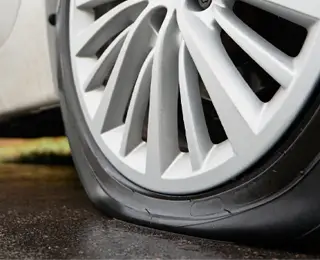
Tire flat-spotting doesn’t mean you have a flat. It simply means you have a “flat spot” where a tire is pressed against the ground under the weight of your parked vehicle for an extended period of time. Think seasonal storage (including RVs) and airport parking lots. Essentially, the weight of your vehicle, combined with how your tires are built, can cause minimal flat spots. This slight loss of tire structure can also happen overnight during dramatic temperature drops. Cold temperatures can cause the rubber on your tires to become less flexible and tire air pressure to decrease.
The most common types of tires that experience flat-spotting include high-performance and low-profile tires. That’s because the tread compounds, reinforced construction, and flexible sidewall make them more susceptible. Heavier vehicles, such as EVs, SUVs, and larger trucks, can also experience flat-spotting more often than lighter passenger cars and CUVs.

What Does Tire Flat-Spotting Feel Like When Driving?
Thumping and vibrations can catch even the most seasoned driver off guard, especially when there’s nothing in the road to cause those driving sensations. While alarming, they’re rarely a sign of immediate tire damage.
Tire flat-spotting can cause:
- Rhythmic vibrations (like driving over hundreds of tiny speed bumps)
- Shaking steering wheel (when the flat-spotting is on the front wheels)
- Seat vibrations (when flat-spotting appears on the rear wheels)
As you drive, the tires on your vehicle will heat up. As they do, the rubber becomes more pliable, and the air inside the tires expands, pushing against the sidewall and tread. This usually eliminates any flat spots, returning the tire to its original shape.
Is Tire Flat-Spotting Bad for Your Tires?
Flat-spotting is almost always temporary and quite normal. Even after an extended time sitting in one place, the tires on your vehicle may return to their normal shape after a short drive.
If you’ve recently slammed on your brakes and your tires left black marks on the pavement, you could have permanent flat spots in your tread. In this case, the vibrations and noises won’t simply go away because the tire cannot regain its shape. If the tread damage is bad enough, you may need new tires to avoid additional damage to your vehicle’s wheel bearings, suspension, and CV joints.
Don’t Get Deflated by Tire Flat-Spotting
Flat-spotting usually disappears after a mile or two of driving. But if your steering wheel continues to shake after several miles, or if you’re still hearing or feeling odd vibrations at highway speeds, get to your local Les Schwab for a free visual inspection. Chances are your vehicle could be out of balance.
Other ways to minimize the effects of flat-spotting include:
- Take your first mile slow. Allow your tires to warm up and the air inside those tires to expand.
- After storing your vehicle (RV, trailer, car, truck), check the tire air pressure before taking a long drive.
- Keep air valve stem caps on to help mitigate air pressure loss.

Get Your Tires Checked for Flat-Spotting at Your Local Les Schwab
Tire flat-spotting isn’t usually something to worry about. But if the flat spots on your tires, including vibrations and sounds, aren’t going away after a short drive, stop by your local Les Schwab. Our professionals will give your tires a quick inspection, check the air pressure, and make recommendations to promote your family’s safety.
Book A Tire Service Appointment
Les Schwab Tire Team
Published: March 16, 2026
Find more content from our expert tire team on YouTube.
What you need to know

When Your Flat Tire May Need to Be Replaced
Some flat tires can be fixed and others cannot. Here’s how to tell the difference.

How To Store Tires and Wheels
Learn how to store your seasonal tires and wheels properly with tips from Les Schwab. Extend your tire life with proper cleaning, air pressure, and storage solutions.
Why Do I Keep Getting Flat Tires?
Wondering why do I keep getting flat tires? Discover common causes and solutions at Les Schwab to keep your tires rolling smoothly.