Signs You Need an Oil Change
You don’t have to be a mechanic to keep your car or truck running strong. But you do need to change the oil regularly. On average, vehicle manufacturers recommend changing that oil every 5,000 to 7,000 miles. The Les Schwab Tire Team has put together some tips to help you know when it might be time for your next oil change.
Key Takeaways
- Dashboard indicators and messages, as well as dark or black oil may mean it’s time for an oil change.
- Your oil levels can drop measurably below the manufacturer-recommended levels before the dashboard light appears. Learn how to check your car’s oil levels.
- Adding oil between oil changes is a temporary solution.
- Regular oil changes may help prolong the life of your engine.
- Driving when the engine oil is low can cause engine damage.
- If you regularly tow a trailer, talk to our service professionals about getting your oil changed more often.
- Get your vehicle’s oil replaced at Les Schwab every 5,000 to 7,000 miles.
Why Regular Oil Changes Matter
Regular oil changes, especially if you drive a lot of miles or tow a heavy trailer, are a cost-effective way of maintaining one of your vehicle’s most expensive parts — the engine.
Changing the oil in your vehicle every 5,000 to 7,000 miles can help keep grit and dirt out of the engine, while also providing the lubrication your vehicle needs to prevent friction and overheating. All good things, right?
As engine oil does its job, it begins to break down and loses its ability to lubricate. Regular oil changes flush out the old oil and replace it to avoid carbon buildup, microscopic debris that can accumulate after thousands of miles, protect vital seals, and prevent overheating.

Signs Your Vehicle May Need an Oil Change
Keep an eye, ear, and nose out for some of these indicators that your vehicle may need an oil change soon, or that you should probably see a certified mechanic.
Your Oil Change Light Comes On
When an oil light appears on your dashboard, don’t ignore it. Many automakers use three different color oil lights to indicate what steps you should take. Check your owner’s manual for your oil light indicators, including when to get an oil change, when your oil levels are low, when the oil pressure is low, or when there is a problem that may require a certified mechanic. Learn more about oil engine lights from Les Schwab.
The Engine Sounds Louder than Normal
The oil in your engine protects it from carbon buildup and friction. As that oil gets old and wears down, parts of your engine can start to rub together, causing sounds. If you hear knocking or grinding coming from your engine, consult with a certified mechanic.
Your Oil Looks Dirty
Regularly check the oil levels in your vehicle. As you check that oil level, take note of the oil color and transparency. If you can’t see through the oil, it could mean that it’s old and dirty and not doing its job. If your oil is thick and grainy, schedule an oil change.
You Smell Burning Oil
Some smells in your car are totally normal, like last night’s take-out. But burning smells are not. When motor oil stops lubricating the inside of your engine, metal, rubber, and other parts can begin to rub together, causing friction, heat, and burning smells. If you smell something odd, get in for an oil change. If those smells don’t go away, get to a certified mechanic or your auto maker’s service center.
You See Excess Exhaust Smoke
When engine oil finds its way into parts of your engine that are off limits, that oil can burn off, causing smoke from your exhaust. This could indicate the seals in your engine have deteriorated and may need to be replaced. See a qualified mechanic or service center for details.
It’s Been Longer than Your Owner’s Manual Suggests Since Your Last Oil Change
At Les Schwab, we suggest you get your oil changed every 5,000 to 7,000 miles, depending on the oil you use (full synthetic versus synthetic blend), age of your vehicle, and how hard your vehicle works (towing, long drives, driving over mountain passes, or on dirt/gravel roads).
But life happens, and oil changes can slip your mind. As long as you’re not far from what your owner’s manual suggests, you may be okay. But it’s advisable that you get your oil changed as soon as possible, as you continue to drive with dirty, aging oil.
Is It Ever Safe to Add Oil Instead of Changing It?
Adding oil to your vehicle isn’t going to clean dirt and residue out of your engine. All it will do is ensure your vehicle has enough oil to keep running — although maybe not smoothly.
When you add oil, it will quickly become contaminated with small particles of metal and carbon, causing it to lose its lubricating ability faster than a full oil change would. And while a single bottle of oil may be less expensive than a full oil change, the damage to your vehicle can be quite significant when you skip oil changes too often. Get your oil changed today at Les Schwab.
How Much Does an Oil Change Cost?
The price of an oil change depends on what you drive, how much oil your car or truck uses, and the type of oil your vehicle requires (per manufacturer recommendations).
At Les Schwab, we’ll show you what your vehicle needs, including full synthetic or synthetic blend oil. For current prices and offers, please contact your local Les Schwab.

Get Professional Oil Change Services at Les Schwab
Keep your car running smoothly with an oil change at your local Les Schwab. While you’re there, we can give your brakes, alignment, tires, wheels, battery, and more a visual inspection with our free Pre-Trip Safety Check. If we find anything that needs your attention, we’ll let you know.
Book An Oil Change
Les Schwab Tire Team
Published: September 30, 2026
Find more content from our expert tire team on YouTube.
What you need to know
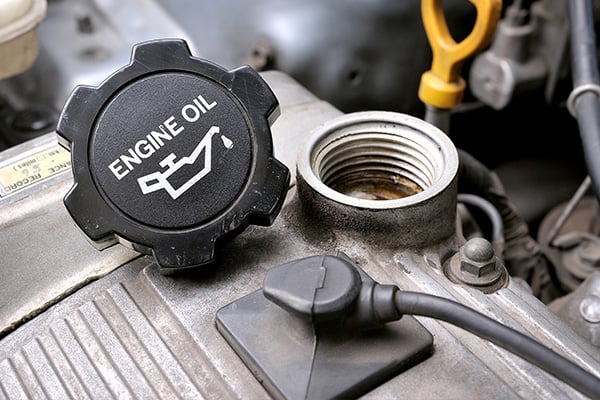
How to Check Your Car’s Oil
Wondering how to check your car’s oil? Learn how to use a dipstick and when to fill up or change your car’s oil from the pros at Les Schwab Tires.
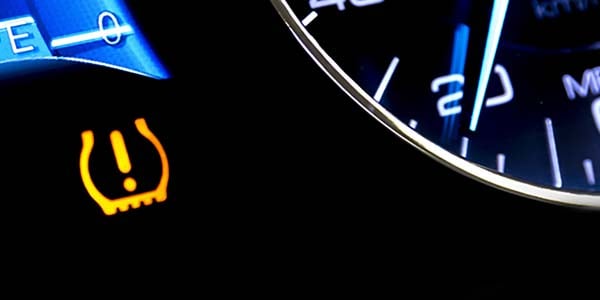
TPMS Light Coming on in Cold Weather? Here’s Why
Your tire pressure light might come on when temperatures drop. Follow these steps to diagnose your tire pressure light and make sure you have enough air in your tires.

Why is My Car Oil Light On?
Let us help you understand what causes your oil light to go on, how to diagnose the issue, and what to do next to keep your car running smoothly!