
Why Is My Car Losing Oil but There’s No Leak?
Filling up the tank (or charging up the battery) and keeping air in the tires are among the easy car-related chores. But adding oil to the engine? It’s not only tricky. It can also be frustrating — especially if you don’t know why the oil level keeps dropping unexpectedly, either due to your car burning oil, leaking oil, or other factors. Let’s look at why your car might be losing or burning oil, some warning signs to watch for, and next steps you can take to keep your vehicle running smoothly.
Key Takeaways
- The oil in gas-powered vehicles can burn internally without leaving a visible puddle or producing noticeable smoke.
- Burning oil can be caused by worn engine parts or emission-control systems.
- Burning oil can create a strong odor, gray smoke, or reduce engine performance.
- Driving when the engine oil is low can cause engine damage.
- Getting your vehicle’s oil replaced at Les Schwab can help keep your engine running smoothly.
Why Cars Lose Oil Without Leaving a Visible Leak
First, let’s start with how a car engine works. Basically, the engine traps tiny explosions of fuel (gasoline) and air inside metal cylinders called combustion chambers. These are then ignited by a timed spark, causing a controlled explosion that pushes a piston down. That motion spins gears that eventually turn your wheels. To help manage that intense heat and friction and keep everything from grinding to a halt, motor oil is used to coat every moving part.
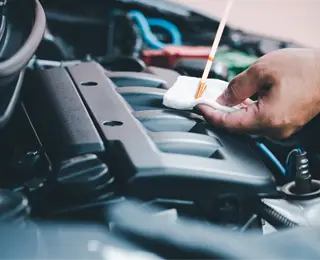
When parts of that system begin to wear out, the oil can start to burn as it slips past the piston rings and valve seals into the combustion chamber. As the oil burns away and drops below the minimum level, your engine oil light might illuminate on your dashboard. Here’s how to check your car’s oil level.
Worn parts can happen on any vehicle, but most often you’ll find worn piston rings and/or valve seals on older cars and trucks as well as vehicles with higher miles. If a newer vehicle is burning oil, it may be a much more complicated mechanical issue. Do you see drops of oil on the ground under your vehicle? It could be a bad valve cover gasket or oil pan gasket.
Common Reasons Your Engine May Be Burning Oil
The main reasons your vehicle may be burning oil are due to old and worn valve seals and stems and/or piston rings, along with a faulty or clogged PCV valve (Positive Crankcase Ventilation emission-control system) or using the wrong type of oil for your vehicle.

A Faulty or Clogged PCV Valve
A PCV valve is part of your vehicle’s emission components. This bit of tech regulates the flow of gases and unburned fuel vapor following the tiny reactions that move the cylinders. When a PCV valve fails or becomes clogged, high pressure can force motor oil past the gaskets and seals that protect the cylinders. That oil then burns off.

Worn Piston Rings or Cylinder Walls
When the seals or metallic rings around the pistons and cylinder walls begin to wear, engine oil can seep into the combustion chamber. The heat in that chamber then burns the oil. But that’s not where the issues end. Over time, burned oil in the combustion chamber can cause extensive damage.

Failing Valve Stem Seals
The valve stem seals keep engine oil found in the top of the engine from leaking into the combustion chamber. These seals are made of rubber or silicone, and as they age and get more use, they can fail. If oil seeps in from the top, you’ll see visible puffs of smoke from the exhaust after the car has sat for a day or two.
Using the Wrong Oil Type or Viscosity
The type of oil you put into your vehicle matters. It’s essential you use the type or viscosity the manufacturer recommends for your vehicle. Additionally, hauling heavy loads, increases in outside temperature, or vehicles with higher mileage may require oil changes more often to ensure proper lubrication of internal engine components.
Most engine oils are engineered to change thickness depending on the temperature in your engine as well as outside temperatures (freezing and sweltering heat).

Signs Your Car May Be Burning Oil
- Burning or gray smoke from the exhaust: If it happens when you first start your vehicle, it could be valve or stem seals. If the smoke appears when you accelerate or while hauling a heavy load, it could be worn piston rings.
- Constantly dropping oil levels: If you’re adding a quart of oil to your vehicle between oil changes, your engine may be burning oil. Please note: if you drive a turbo-charged vehicle, some oil in your vehicle can thin out and burn when the turbo is active.
- Thick, bitter burning smell: This indicates that parts of your engine are allowing oil into the combustion chamber.
- Engine misfires or idles roughly: Engine oil could be leaking into the spark plugs.
Schedule your next oil change today at Les Schwab.
Can Too Much Oil Cause Problems?
Proper oil levels are crucial for optimal engine performance. Too much oil can clog engine parts, cause pressure against seals and rings, and lead to oil foam in the crankshaft. Too much oil can also lead to loss of oil pressure and engine starvation.
Need help checking the oil level in your vehicle? Check out this quick how-to guide.
The wrong amount of oil in your vehicle can cause:
- Loss of oil pressure and engine starvation as oil cannot get to where it needs to go or overcoats and clogs parts.
- Frothing oil in the crankshaft increases the likelihood that engine parts won’t get the oil they need.
- Blown gaskets and oil leaks due to internal pressure.
- Engine misfires due to fouled spark plugs that have been coated in oil.
- A destroyed catalytic converter occurs when burned oil makes its way into the exhaust system.
What To Do if Your Car Is Losing Oil
If your vehicle is losing oil, first check the oil level. Then:
- Ensure you’re using the manufacturer-suggested oil viscosity.
- Note the last time you got an oil change. If it has been more than 5,000 miles, schedule an oil change at Les Schwab.
- Watch for smoke, changes in engine performance, and note any burning smells coming from the engine or exhaust.
- Talk to a certified repair facility about your options.

Get Help Diagnosing Oil Loss at Les Schwab
When it comes to tires, wheels, batteries, brakes, alignments, as well as oil changes, Les Schwab has plenty of experience. We’ve also seen our fair share of issues with burning oil and oil leaks. If you suspect an oil leak or that your engine is burning oil, share that with the professionals at Les Schwab. We may be able to help you pinpoint the issue and recommend next steps.
Book An Oil ChangeFind a Store Near You

Les Schwab Tire Team
Published: August 10, 2026
Find more content from our expert tire team on YouTube.
What you need to know
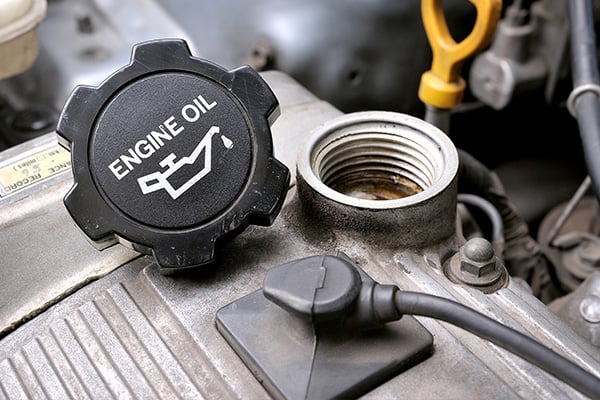
How to Check Your Car’s Oil
Wondering how to check your car’s oil? Learn how to use a dipstick and when to fill up or change your car’s oil from the pros at Les Schwab Tires.
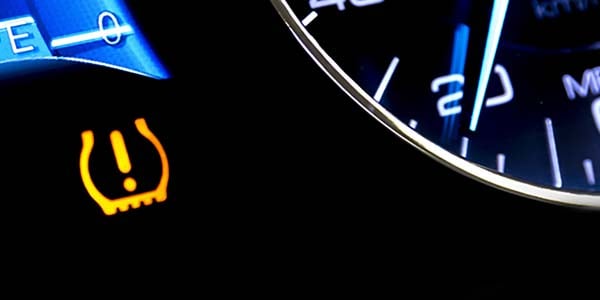
TPMS Light Coming on in Cold Weather? Here’s Why
Your tire pressure light might come on when temperatures drop. Follow these steps to diagnose your tire pressure light and make sure you have enough air in your tires.

Why is My Car Oil Light On?
Let us help you understand what causes your oil light to go on, how to diagnose the issue, and what to do next to keep your car running smoothly!