
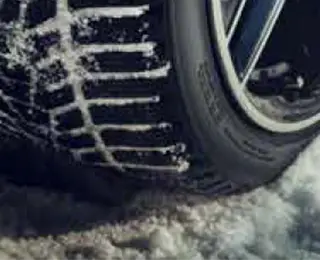
Tire Siping Explained
Tire siping, the process of adding thin slits to a tire’s tread, has been around for over 100 years. It was invented by John Sipe in the 1920s. Back then siping was shown to improve year-round traction, braking, performance, and tire longevity. Times have changed, and so has the tire manufacturing process, which now includes siping on many tires. Let’s take a look at siping, what it is, what it does, and when it might be right for you.

What Is Tire Siping and Why Add Them
Siping involves adding thin 90-degree cuts or slits to a tire’s tread with a specialized machine. Adding sipes at Les Schwab can improve snow traction thanks to the number of gripping edges that make contact with the road surface.

Siping Can Make a Difference
Comprehensive testing and analysis reveal that tire siping improves snow traction by 20%+1 on average, with little to no impact on all other tire performances. Tire siping can work best when applied to some all-season tires, highway terrain and highway all-season tires, rugged-terrain tires, mud-terrain tires, and all-terrain tires.

How Siping Is Done
Adding thin 90-degree cuts to a tire’s tread takes a specialized device. The tire and wheel assembly are put on a machine where a small blade cuts the tread while the tire slowly spins. Once complete, the added slits in the tread are easy to spot. Depending on the tire, siping can add hundreds of slits to a tire’s tread for added performance in the snow.
Is Tire Siping Right for You?
Tire siping is a great option for some tires. If you live in a region of the U.S. where you can drive on the same set of tires year-round and you face the occasional snowstorm or snow-covered roads, siping might be a good option.
However, siping is not always recommended for summer tires, winter tires, all-weather tires, ultra-high performance tires, and EV-specific tires. It’s also not recommended for warm and dry climates, and/or if you plan to buy new tires in the next six months. Additionally, we don’t recommend siping in certain applications or conditions, such as on campers, trailers, commercial vehicles, or tow vehicles.
Stop by your local Les Schwab, and we will be happy to discuss whether siping is a good option for your tires and driving experience.
Schedule an AppointmentImportant Considerations Before Siping
The question on everyone’s mind is, does siping void a tire’s warranty. Tire siping does not impact the Les Schwab Tire Warranty. However, tire siping should not always be done on older tires, tires that travel on gravel or dirt roads regularly, as well as some specific tire types. If you tow a trailer or use your vehicle for commercial use, stop by Les Schwab and ask if siping is right for you.
The professionals at Les Schwab can help you determine the right application for siping and when it might not be recommended.
See America’s Best Tire Warranty
Schedule Your Tire Siping Appointment
Stop by your local Les Schwab and ask if siping is right for your vehicle, driving conditions, and regional weather. Our team will show you all the options and point you in the right direction for safety and performance.
Find a Store1On average, siping improves snow performance as the primary benefit, 20%+ better snow traction and 15%+ better snow braking. On average, there is little to no impact of siping on other tire performances (+/- 3%).

Les Schwab Tire Team
Published: March 2, 2026
Find more content from our expert tire team on YouTube.
What you need to know
Tire Rotations: What You Need to Know
Discover the benefits of tire rotations at Les Schwab to extend tire life and improve performance. Schedule your tire rotation today!
How to Extend the Life of Your Car Brakes
Extend brake life with smart driving and maintenance tips. Learn how to keep your brakes in top shape and why regular Les Schwab inspections are essential.
4x4 Wheel Alignment: Protect Your Ride On and Off the Road
Proper 4x4 alignment improves handling, tire life, & safety. Keep your off-road vehicle ready for anything by scheduling an alignment check at Les Schwab today!