
Driving Safely in the Rain: 10 Tips to Help Avoid Hydroplaning and Loss of Control
When it rains, and especially in the first 10 minutes of a storm, standing water as well as engine oil and grease buildup that has yet to wash away, can cause hydroplaning. Hydroplaning is when your vehicle floats atop standing water, reducing control and braking. We have some tips to help you avoid those ice-like effects and advice from the National Highway Traffic Safety Administration (NHTSA) on how to drive safely in the rain.
Key Takeaways for Driving in the Rain
- Hydroplaning occurs when your tires lose contact with the road due to standing water on pavement.
- Worn tire tread, excessive speed, and sudden steering or braking can increase the risk of hydroplaning.
- If your car begins to hydroplane, avoid braking. Instead, ease off the accelerator. This can help you regain control.
- Proper tire tread depth and air pressure (tire inflation) can play a major role in wet-road traction.
What You’ll Find in This Article
The Les Schwab Tire Team has pulled together tips based on years of driving and safety experience.
What Is Hydroplaning?
Hydroplaning happens when a layer of water between your tires and the road causes your vehicle to lose contact with the road. Instead of gripping the pavement, your tires ride on top of the water, which can lead to a sudden loss of control. While hydroplaning typically only lasts a few seconds, a lot can happen when you’re driving at highway speeds with limited steering and braking.

Your tires are important in avoiding hydroplaning. That’s because tires are designed with grooves and sipes that help channel water away from the contact patch (where the tires meet the road). When tread depth is reduced due to wear, those grooves cannot move water as effectively. As a result, hydroplaning becomes more likely, especially during heavy rain or when driving through standing water. Speed also plays a role. Even tires in good condition can hydroplane if you’re driving too fast for the conditions.
How to Tell If Your Car Is Hydroplaning
When a vehicle begins to hydroplane, it may feel like it is floating or moving on its own. Common signs include:
- Steering that feels loose or unresponsive
- A sudden increase in engine RPMs without acceleration
- The vehicle drifting or pulling without steering input
- Delayed or reduced braking response
How much control you lose depends on your speed and which tires are affected. If your drive wheels hydroplane, the engine may rev as the tires spin. If non-drive wheels lose traction, the vehicle may veer sideways or begin to skid. When all four tires hydroplane, the car will continue to move forward until traction is regained.
What to Do If You Hydroplane
Hydroplaning can happen suddenly, but how you respond in the moment can help you regain control more quickly and safely.

Ease off the accelerator. Taking your foot off the gas allows your tires to slow down and regain contact with the road surface.
Keep the steering wheel straight. Hold the wheel steady and avoid abrupt movements while your tires work to reestablish traction.
Wait for traction to return before braking. In many cases, hydroplaning lasts only a second or two. Once you feel the tires grip the road again, you can brake gently if needed.

Do not slam on the brakes. Hard braking can cause the vehicle to skid further or spin once traction returns.
Do not sharply turn the wheel. Sudden steering inputs can make the loss of control worse and increase the risk of overcorrection.
Do not accelerate. Adding power can cause the tires to spin faster and prolong the hydroplaning event.
If braking is necessary to avoid a collision, brake smoothly and steadily. Vehicles without ABS may require light, controlled brake pumping. As traction returns, make small, gradual steering adjustments rather than sharp corrections.
Prepare for Rainy Days
Before you end up driving on freshly rained-on roads or during a downpour, check your windshield wiper blades and replace them if necessary, and double-check that your headlights are in good working order. Additionally, have your tires, air pressure, and brakes checked at Les Schwab. We’ll let you know if you need new tires, properly inflate the ones you have to help keep you in control, and check your brakes.
How to Avoid Hazards While Driving in the Rain
According to the U.S. Department of Transportation, 75% of weather-related auto crashes occur on wet pavement and during rainfall1. Additionally, heavy rain reduces visibility. Every year, nearly half-a-million people are injured in crashes on wet pavement, and nearly as many are hurt in crashes during a rainstorm1.
Maintaining your tires and driving with extra care when it rains and in foggy conditions, can help you get to where you’re going without an incident. We’ve put together some tips to help keep you and your family safe.
Top 10 Tips for Safely Driving in the Rain
-
Wait for the storm to pass
Driving in heavy rain increases the risk of hydroplaning, especially if your tires are worn. When tread depth is low, tire grooves cannot move water away fast enough to maintain traction, making it safer to wait until conditions improve whenever possible.
-
Avoid bald tires
Tires with little to no tread are far more likely to hydroplane because they cannot channel water away from the tire. A set of properly maintained all-season tires or other tires can help maintain contact with the road and improve control in wet conditions.
-
Turn on your headlights
Using headlights improves visibility and helps other drivers see you sooner in heavy rain. Keep headlights on low beam to reduce glare, which can worsen visibility in downpours and fog.
-
Slow down
You’re less likely to hydroplane at or below 35 MPH (miles per hour)2. If you must travel far below the speed of traffic, stay in the right lane and turn on your hazards. This will help alert other drivers to the danger.
-
Leave room between vehicles
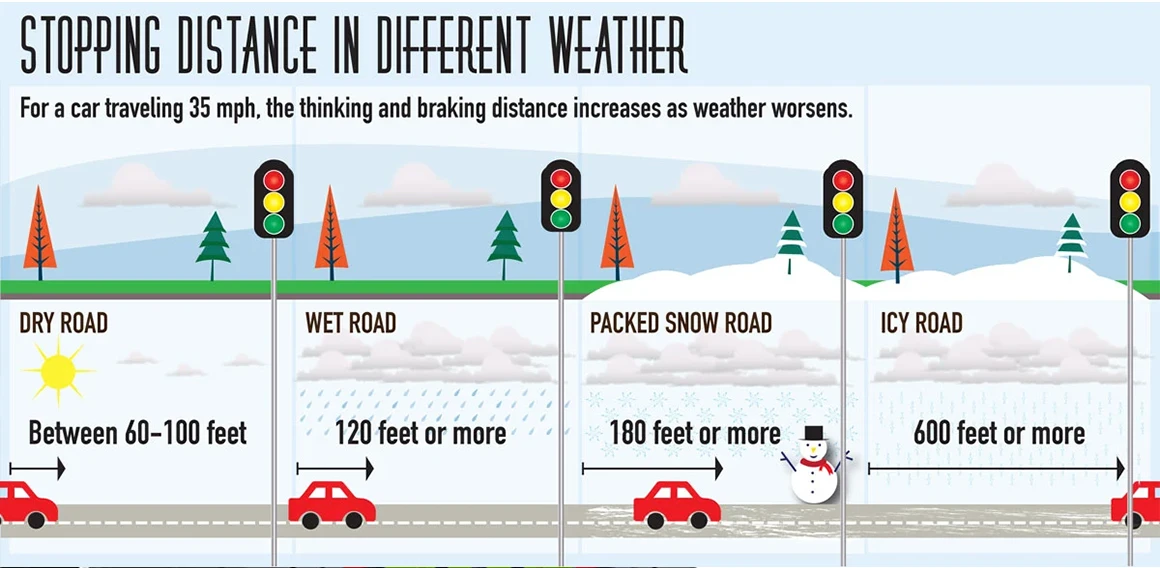
Wet roads increase stopping distances and reduce visibility. Leaving extra space gives you more time to react if traffic slows suddenly or if your vehicle loses traction.
-
Don’t use cruise control
Cruise control can cause your tires to continue spinning if they lose traction, which increases the risk of fishtailing when traction returns. Maintaining manual control allows you to react more smoothly if hydroplaning occurs.
-
Don’t drive through water flowing across the road
That water might not look deep, but even as little as 12-inches of moving water can sweep your vehicle off the road or into oncoming traffic. Instead, find an alternative route or wait for the storm to pass, if possible.
-
Drive carefully
Anytime you’re faced with wet roads or downpours, avoid hard braking, sudden acceleration or sharp turns. This can help minimize the possibility and effects of hydroplaning.
-
Stay in your lane
Lane changes and passing in rainy conditions can increase your chances of hydroplaning. Why? Because as you move out of the tracks created by the vehicle in front of you, your tires will need to move more water to maintain contact with the road. Also, rain can cause poor visibility and increased stopping distances.
-
Avoid puddles and standing water
Standing water can hide potholes and create conditions where even good tires cannot maintain contact with the road. Driving through deep puddles can increase the risk of hydroplaning and braking performance if water contacts brake components.

Les Schwab Takes Safety Seriously
The right set of tires for your vehicle can help minimize hydroplaning and keep you in control. Stop by your local Les Schwab for more driving advice and a free safety check. We’ll do whatever it takes to help you get the most out of your tires and help keep you rolling safely down the road.
Find a Store Near YouImportant Notice: The information provided above is of a general nature gathered from a variety of resources deemed reasonably reliable. The operation of your vehicle, or the repair or replacement of your vehicle’s equipment, may be different than for a typical vehicle. Please consult your owner’s manual for specific warnings, notices, and other advice relative to the subjects addressed herein.

Les Schwab Tire Team
Published: April 28, 2026
Find more content from our expert tire team on YouTube.
What you need to know

Winter Driving Tips: How to Drive in Snow
When you’re driving on snow or you’re caught in a storm, remember the following winter driving tips for safer vehicle handling.
How to Drive Safely on Ice: Top Tips for Keeping Your Car on the Road
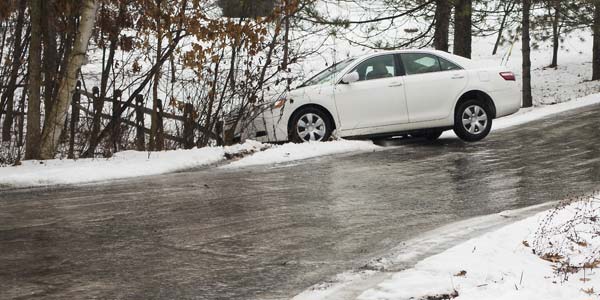
It’s best not to drive at all when roads are icy. But here’s what to know to get where you’re going safely if roads turn icy.

How Do I Drive Safely in Fog?
Driving in thick fog can be dangerous. Learn how to drive safely in low visibility conditions and review state-specific fog light rules in the Western U.S.