
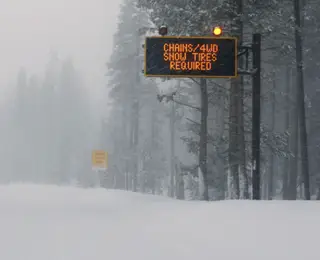
What You Need to Know About Road Conditions Right Now
Road and weather conditions can change quickly across the nation. Before you head out, take a moment to check real-time updates, live cameras, and trusted weather sources for your route and region. A little preparation can help you avoid delays, understand what conditions look like right now, and travel more safely.
How Do I Check Real-Time Road Conditions?
Most state transportation departments provide up-to-date information on road closures, travel alerts, pass conditions, chain requirements, and weather hazards. Many routes also offer live traffic and mountain pass cameras, which give you a clear look at what conditions are like right now.
Check these sources before and during your trip, especially when traveling in mountain regions, along the plains, in high-desert climates, or areas where weather shifts quickly.
Road Conditions or Construction Delays by State
Use the resources below to get real-time information from each state’s Department of Transportation. These sites are maintained by each state’s Department of Transportation. Conditions may change quickly, so check frequently while traveling.
What Weather Conditions Should I Look for Before a Trip?
Weather plays a major role in road safety. Temperature changes along with fast-changing conditions, elevation shifts, and winter storms can all affect your route. Use reliable forecast tools to understand what is expected along your drive.
Hyperlocal forecasting apps such as AccuWeather for Android and Apple, and Weather Underground provide location-specific weather details that can be useful when planning a mountain pass crossing, early morning departure, or long-distance trip. Pair these forecasts with your local DOT (Department of Transportation) road cameras (if available) and alerts for a more complete picture.
Tips for Driving in Winter or Severe Weather
If you are driving in snow, ice, heavy rain, or rapidly changing weather, take extra precautions on the road.
- Slow down and create more stopping distance.
- Avoid sudden braking or sharp turns.
- Check on chain or traction requirements for your route.
- Look for active winter storm warnings or advisories, especially in higher elevations or areas where whiteouts and blizzards are common.
- If conditions are hazardous, consider delaying your trip.
Understanding Chain and Traction Requirements
Some regions require traction devices during winter storms or when driving through mountain passes and other areas. Requirements vary by state, route, and during adverse weather conditions. Use your state’s DOT resources (linked above) to see the most accurate and current regulations for your route.
Traction devices include tire chains, snow socks, and other options designed to help your vehicle maintain control in snow and ice. Winter or snow tires can also provide better grip in cold temperatures or snowy conditions.
For help choosing the right tire chains, snow socks, or winter tires, visit your local Les Schwab.
Free Pre-Trip Safety Inspection
Before a long trip or when the weather is changing, a quick vehicle check can help prevent unexpected issues on the road. Stop by any Les Schwab location for a free pre-trip safety check. No appointment is necessary.
Our team will check the following at no cost:
- Tire pressure check
- Tire tread depth check
- Visual alignment check
- Brake check
- Shock/strut check
- Battery check

Les Schwab Tire Team
Published: January 20, 2026
Find more content from our expert tire team on YouTube.
What you need to know
9 Driving Safety Tips to Get You Ready for a Winter Drive
Safe driving is especially important in the winter. Make sure you do these nine things before heading out for a drive in harsh weather conditions.
How to Drive Safely on Mountain Roads
How to drive in the mountains and stay in control when encountering ice and other weather conditions that can impact your safety.
Winter Tire and Driving Tips for the Rockies: Stay Safe on Snowy Mountain Roads
Get expert tips for winter driving in the Rockies, including advice on tire selection, navigating snowy mountain roads, and local chain laws. Be prepared and stay safe this winter!