
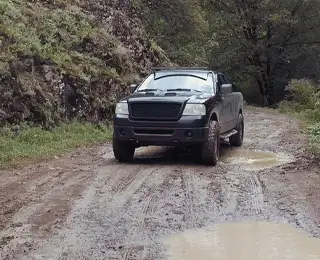
Mud Tires vs. Off-Road Tires: What’s the Difference?
The road less traveled can be packed with adventure. There’s a good chance it’s also riddled with ruts, rocks, huge holes, and long stretches of gravel and dirt. Having the right tires for mud and other terrain can help you get to where you need to go without breaking a sweat. Let’s take a look at mud-terrain tires along with other off-road options and what you should choose for your vehicle.
Get Tire AdviceUnderstanding Off-Road Tire Categories
The right tires make navigating rocks, gravel, ruts, and severe weather conditions a breeze. For the best traction, your options include mud-terrain (MT), rugged-terrain (RT), and all-terrain (AT) tires.
When you want tires that can tackle off-road conditions, MT and RT tires make a lot of sense. Just keep in mind that MT and RT tires can wear faster, are typically louder on pavement than other options, and may handle differently on the highway than all-terrain tires. AT tires could also be ideal, especially if you need tires for your daily commute but also want something that keeps you in control on sand, rock, gravel, and snow.
When navigating rocks, gravel, mud, and challenging weather, specialized tires like mud-terrain and rugged-terrain options offer significant advantages. However, MT and RT tires typically wear faster on pavement than other tires due to their aggressive design. Here’s what you can expect from each of these tire types.
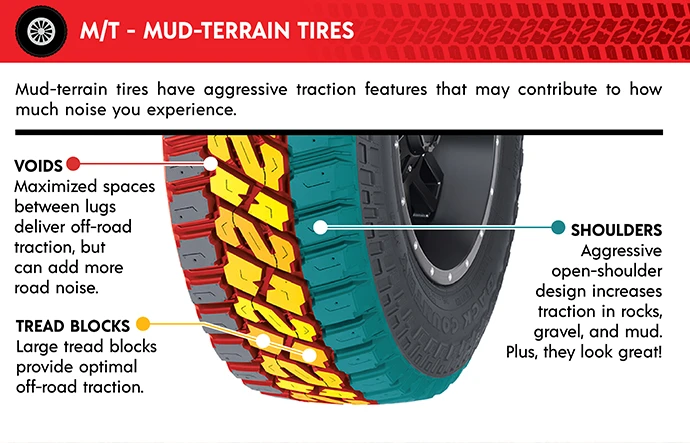
- Mud-Terrain (MT) Tires: Aggressive lugs and wide voids, ideal for deep mud and loose terrain.
- Rugged-Terrain (RT) Tires: Hybrid of MT and AT tires, offering moderate off-road traction with better on-road manners.
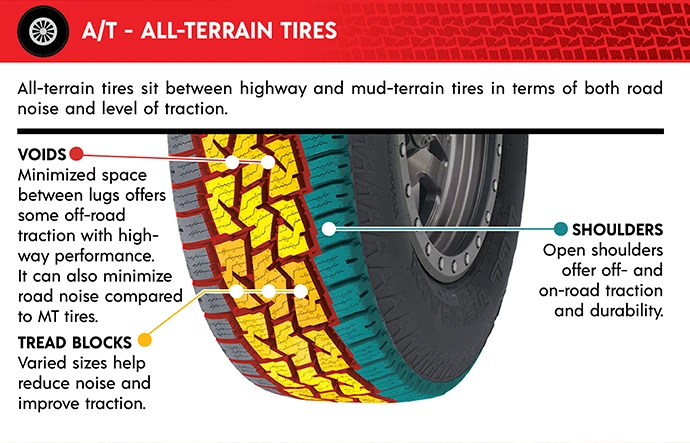
- All-Terrain (AT) Tires: Balanced design optimized for both pavement and moderate off-road conditions like sand, gravel, dirt, and occasional mud.

Key Differences Between Mud-Terrain and Other Off-Road Tires
Comparing MT/RT and other off-road worthy tires is easy when you have some basic information. The chart below can help you compare features of MT versus AT tires.
| Feature | Mud-Terrain and Rugged-Terrain Tires | All-Terrain Tires |
|---|---|---|
| Tread Pattern | Large, widely spaced lugs to eject mud easily | Smaller, denser tread for mixed-use conditions |
| Traction | Depending on the tread, can be exceptional in deep mud, wet soil, and ruts | Balanced across gravel, dirt, light mud, snow and pavement |
| Ride Comfort | Noisier and rougher on pavement | Smoother ride with less road noise |
| Durability | Reinforced sidewalls for added durability | Durable but optimized for a wider range of terrain |
| Best Use Case | Deep mud, farmland, forest service roads, trails, rocks, etc. | Weekend trail driving, overlanding, daily commutes |

Prevent Mud from Caking With the Right Off-Road Tire
The specialized tread in MT and RT tires helps grip mud, rocks, and other terrain. This extra grip comes with larger spaces between the lugs as well as larger tread blocks. That same grip also keeps MT and RT tires from becoming caked with mud and the tread packed with rocks. Those voids and open areas on the contact patch, along with aggressive, open-shoulder designs, push mud and other debris away from the tire. Essentially, they’re built to clean themselves.
All-terrain tires, on the other hand, have fewer voids and tighter tread blocks. This makes them ideal for many types of terrain, including pavement. But it can also lead to mud and rocks lodging in the voids between the lugs. As you shop for off-road tires, it’s something to keep in mind.
When You Need a Mud-Terrain Tire
Mud-terrain tires are designed for off-road traction on most SUVs, light trucks, and some crossovers. MT tires are popular for those who face back-country roads, long stretches of gravel, or vehicle trails made of loose or unsteady surfaces. Forest service roads don’t stand a chance against MT tires.
However, there are some trade-offs for all of that off-road traction. Those include:
- More road noise (when on pavement)
- Less fuel and range efficiency
- Minimized winter traction
- Different handling characteristic on the highway
- Quicker wear when used on pavement
Key Benefits of Mud-Terrain Tires
MT tires give any rig an aggressive look that’s hard to beat. Plus, you get:
- Traction in soft, wet ground
- Reinforced sidewalls for added protection on rugged trails
- Tread that digs, grips, and clears debris
When an All-Terrain Tire Is the Better Fit
If your outdoor adventures have you facing mud, dirt, gravel, hardpack, rock, and some extreme off-road conditions, mud-terrain (MT) tires are a good option. But if you’ll be using your off-road tires to take you to work, the store, and long drives on the highway, AT tires could be a better fit.
Key Benefits of All-Terrain Tires
Overall, AT tires offer versatility. They’re great for rugged landscapes, including some mud. But they also provide traction on pavement, highways, snow-covered roads, and back-country dirt adventures.
- Designed for different road surfaces
- Comfortable and quiet ride
- Added MPG or range over a dedicated set of MT or RT tires
- Many AT tires carry the three-peak mountain snowflake (3PMS) designation, qualifying them as a traction tire in more extreme weather conditions
All-terrain tires can last longer than MT or RT tires, especially when used on paved roads. However, all-terrain tires offer less tread life than a set of all-season or highway tires. Remember, time, weather, and vehicle maintenance (tire rotations, air pressure checks, alignments) can play a role in the lifespan of any tires.
Shop All-Terrain TiresMatch the Tire to Your Terrain
Giving your vehicle added, rugged looks is nice. But it’s far more important to align your tire needs with your driving needs. For example, if you face heavy snowfall and ice-covered roads every year, a dedicated set of snow tires is recommended during the winter months. The same is true for off-road and highway use.
By matching the tires with what and where you drive, you’ll experience better traction and performance overall. That includes improved MPG or range when compared to a tire not designed for your needs. The choice between MT and AT tires can be paramount to your overall driving comfort and how well those tires get you where you need to go.
Let Les Schwab Help You Choose the Right Off-Road Tire
The tire professionals at Les Schwab understand the ins and outs of tire design and what those differences can mean for off-road as well as highway performance. We’ve even designed some of our own tires to match where and what you drive. Stop by and we’ll show you our recommended tire options.
Book an off-road tire appointment today
Les Schwab Tire Team
Published: October 6, 2025
Find more content from our expert tire team on YouTube.
What you need to know
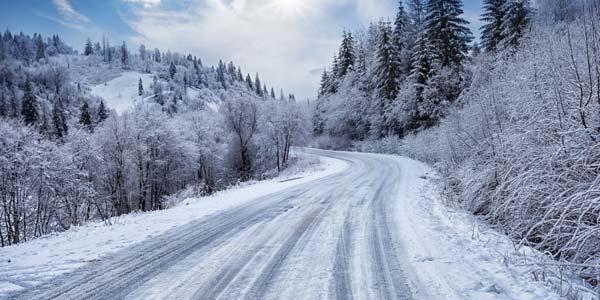
Are All-Terrain (A/T) and Mud Tires (M/T) Good in the Snow?
How do all-terrain and mud tires perform in snow? Learn if they’re suitable for winter driving, or if other options are a better fit.
How to Choose the Right Truck Tire
Follow our guide to choose the right tires for your SUV, CUV, light truck or pickup based on how and where you do most of your driving.

What Are All-Terrain (A/T) Tires & What Are They Used For?
All-terrain (A/T) tires are designed to provide traction on and off road in wet, dry, and lightly snowy conditions. Learn if they are the right fit for you.