
What Is Tramlining and Why Does Your Car Pull?
Self-driving and driver-assisted vehicles are great. But when your steering wheel is tugged and guided by uneven pavement, grooves, or ruts in the road rather than your car’s computer, it can be worrying. That effect is called tramlining. Depending on the size of the grooves and the driver’s focus on the road, tramlining can cause stress and some loss of control. Thankfully, there are things you can do to help minimize the effects on your daily commute.
What Is Tramlining?
Named after a tram or train following a set of tracks, tramlining happens when the tires on your car or truck are caught by uneven spots, grooves, or ruts in the road. This can cause the steering wheel to jerk slightly and your vehicle to follow those shallow trenches like a set of train tracks. You might notice those ruts more when changing lanes, after switching from winter to summer tires, as those grooves deepen or widen due to increased traffic, or due to mechanical issues with your vehicle.

Why Your Car Is More Sensitive to Road Grooves
Some vehicles are more likely to experience tramlining than others. High-performance vehicles designed to let the driver feel the road (called a high-feedback system) can amplify the effect of tramlining. Passenger cars and light trucks designed to dampen road noise and bumps can help mask tramlining.
If your vehicle seems to fall into tramlines too often, it could be due to any or all of the following:
- Tire Width: Wider tires with a stiff or short sidewall and a larger contact patch can more easily be affected by road grooves than standard all-season tires.
- Seasonal Tire Changeout: Going from winter or snow tires designed to grip the road to summer or high-performance tires can increase the likelihood of tramlining.
- Aggressive Tread: Tires with large, solid tread blocks have less give than all-season or all-weather tires. This can make them more prone to tramlining.
- Alignment: If the toe (when your tires point toward or away from each other) or the camber (tilt of your wheel and tire assemblies) is adjusted too far, your wheels may more easily follow grooves in the road. Getting your vehicle alignment checked and adjusted could help.
- Suspension Wear: As the bushings, ball joints, and/or tie rods wear down, there will be a little more play in your steering. That slight loss of control can make your vehicle more prone to tramlining. In some cases, replacing worn suspension components can help reduce tramlining and improve overall handling.
- Tire Air Pressure: Over-inflated tires become stiffer, making them more likely to experience tramlining. Setting your tires to the proper air pressure can help reduce the effects.
Book your free pre-trip safety check at Les Schwab. We’ll give your tires, alignment, and other vehicle safety components a visual inspection and tell you what we find.
Book an AppointmentWhy Tramlining Often Starts After New Tires
Switching from your winter tires or buying new tires can increase your chances of experiencing tramlining. Why? Because those new tires may change how your vehicle interacts with the road. Additionally, your alignment might be slightly off, or your suspension may have been affected by the old tires. Some tires are more susceptible to roadway grooves, including summer or high-performance tires designed for cornering and control. Tires designed for comfort rather than performance can help reduce the effects of tramlining.
To help you get the most out of your new tires, the professionals at Les Schwab will check your alignment and inspect your suspension.
Is Tramlining a Safety Issue?
Most accidents happen due to distracted driving, speeding, fatigue, and poor judgment, according to the National Highway Traffic Safety Administration. But what about deep ruts or grooves in the road? While tramlining can be stressful, it isn’t often dangerous, depending on the size of the ruts and your overall focus on the road. However, tramlining can make driving more difficult. If possible, avoid lanes with deeper ruts, or stop by Les Schwab and talk to our professionals about your tires, alignment, and suspension.

Schedule a Free Visual Inspection To Identify What’s Causing the Pulling
Tramlining can be frustrating, especially if it happens often. Instead of just living with it, stop by your local Les Schwab. Before any work is done, our professionals will give your vehicle a free visual inspection, write up a report along with cost estimates, and offer advice to help make your daily commute more enjoyable and safer.
Book an Appointment
Les Schwab Tire Team
Published: May 11, 2026
Find more content from our expert tire team on YouTube.
What you need to know
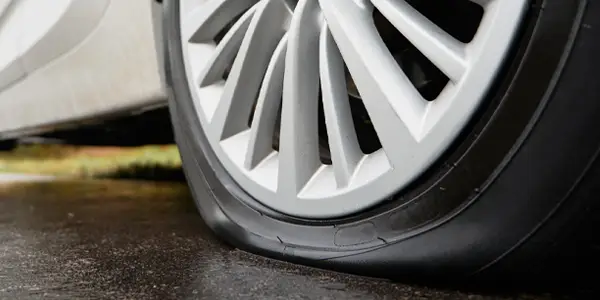
What Is Tire Flat-Spotting & How To Prevent It
Learn what tire flat-spotting is, why it happens, how it affects your drive, and how to prevent it with tips from Les Schwab.
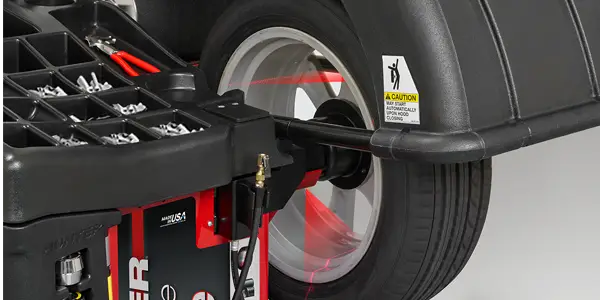
How Do I Know If My Tires Need to Be Balanced?
Ensure proper weight distribution around your wheel-tire assembly with tire balancing. Learn the signs that indicate when your tires need rebalancing.

Benefits of Buying New Tires
Not sure if it’s time for new tires? Let Les Schwab walk you through how to tell if your tires are worn-out and the advantages of buying new tires.