
Tires Built for High-Desert Roads and Extreme Temperatures
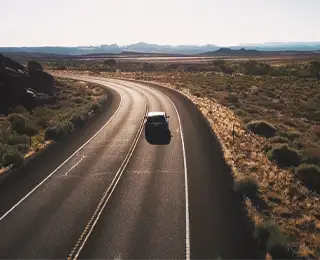
The high-desert regions of the Western U.S. are well known for frigid winters, boiling summers, and overall dry conditions. That weather and climate can play havoc on vehicles, tires, and roads. Driving on the right tires can help improve your overall safety, comfort, and driving performance when facing high desert hurdles such as extreme temperatures, gravel, dust, and the occasional tumbleweed. Let’s explore tires built for the high deserts of Arizona, California, Colorado, Idaho, Nevada, New Mexico, Oregon, Utah, Washington, and Wyoming.
What Makes High Desert Driving Unique
Unlike low-elevation deserts such as Death Valley, high-desert regions do receive a minimal yet measurable amount of annual precipitation – mostly in the form of snow. Throughout many high deserts, annual temperatures range from 0º to 110+º Fahrenheit. That dry air, fluctuating temperatures, higher elevations, and 300+ days of sunshine can cause tires to wear down more quickly. Learn more about tire cracking and UV exposure.
The tire-wearing doesn’t stop at the weather or elevation. High-desert gravel roads, rocky shoulders, fine dust particles from volcanic soil, and snow can also impact how well your tires perform.
What to Look For in Tires for High Desert Conditions
From hot pavement and dusty side roads to mountain snowfall, the right tires can make a difference in safety and performance. Here’s what to look for in your next set of high desert tires.

Tread Compound Flexibility: Look for tires built for hot and cold weather, including options with the M+S icon indicating they are built for mud and snow. Other good options include all-terrain tires, or all-season and all-weather tires that carry the three-peak mountain snowflake (3PMSF) icon for some grip on snow and ice-covered roads.
Durability and Sidewall Strength: Tires built for higher load-carrying capacity can often be more durable. But that durability comes at a price. While these tires may offer more precise handling and protection against high desert temperature fluctuations, they can create more interior noise and reduced ride comfort.

Long Tread Life: How long the tread on your tires lasts depends on where you drive, how you drive, and the type of tread on those tires. Thankfully, when you buy Les Schwab tires, you also get our warranty with a 60-day satisfaction guarantee, no-hassle road hazard protection, and free tire maintenance.

Tire Siping: Some high-desert regions get quite a bit of snow mid-winter. Extra siping can improve snow traction on some tires.

Stone-Ejection Tread Patterns: Some all-terrain and mud-terrain tires include stone ejection tread technology that push rocks out of the tread while you drive.
Performance and Comfort: Choose tires that are built for performance, comfort, and durability. Additionally, double-check the speed rating of any tires you buy and that they meet or exceed the speed rating needed for your vehicle.

Winter Traction: A dedicated set of snow or winter tires can offer the most traction on snow and ice. Ensure your snow or winter tires feature the three-peak-mountain snowflake (3PMSF) symbol. That symbol indicates they have been made with a special rubber compound to stay pliable in colder conditions (at or below 40º F) for added grip on snow and ice-covered roads.
Tire Types for High Desert Conditions
Here’s a quick look at the tires you might need based on the types of roads you drive and the weather conditions you face.
| Driving Conditions | The Right Tires |
|---|---|
| Highway and gravel roads on a weekly or daily basis | Choose all-terrain or rugged-terrain tires for durability, sidewall strength, and high load ratings. |
| Highways and/or mostly paved roads | Choose highway or all-season tires to maximize your fuel efficiency or range, as well as comfort. |
| Towing a trailer or driving a work truck | Choose either highway-terrain or all-terrain tires for load carrying capacity, puncture resistance from rocks, as well as long tread life. |
| Snow-covered roads | Choose a dedicated set of snow tires for the winter months or a set of all-season, all-terrain, or all-weather tires that carry the three-peak-mountain snowflake (3PMSF) symbol. |
Shop by Tire Brand

How Les Schwab Keeps High-Desert Drivers Moving
The professionals at Les Schwab are here to keep you driving, whether you live in a high-desert region or are just passing through. Stop by and ask about our free pre-trip safety check, which includes a visual inspection of your tires, wheels, battery, brakes, alignment, and more.
Schedule Your AppointmentFAQs About Tires for Hot, Dry, and High Desert Conditions

Les Schwab Tire Team
Published: March 10, 2026
Find more content from our expert tire team on YouTube.
What you need to know
Tires Built for Midwest Weather and Road Conditions
Stay safe on Midwest roads with tires built for snow, rain, and long drives. Visit Les Schwab for expert help.
Are All-Season or All-Weather Tires Okay in the Snow?
Understand the differences between all-season, all-weather, and winter tires and match the best tire to your winter driving needs.
Choosing the Best Tires for Rainy and Wet Conditions
Find the best rain and wet road tires for safety and performance. Expert tips and advice at Les Schwab.