

Tires for Rural Roads and Remote Driving Conditions
Real-world driving isn’t always about highways and well-maintained roads. According to the U.S. Census, 20% of Americans live in rural regions where pavement often makes way for gravel and unpaved surfaces, long stretches between towns and communities are common, and weather conditions can cause tires to wear out faster than expected. If you happily live a rural life, here’s how to choose the right tires.
Why Rural Driving Demands a Different Kind of Tire
Rural roads and weather can play havoc on a set of tires. Gravel roads can cause abrasion and abnormal wear over time. Plus, rocks can get caught in the tread, leading to stone drilling, cuts, and punctures. There are also the long miles needed to commute between towns and to population centers. Those miles add up fast when you live in a rural region. Additionally, winter weather, including deep snow and ice, can cause the rubber on some tires to get rigid, leading to additional wear over time.

Start With How You Use Your Vehicle
There are several types of rural drivers. Where do you see yourself on the following list? The Les Schwab tire team has some recommendations to help you get the most from your tires, including performance, stopping power, and longevity.
| Rural Driver Type | Types of Roads | Priorities | Best Options |
|---|---|---|---|
| Country Commuter | Mostly paved country roads and some highways. Might encounter occasional gravel or dirt roads. | Comfort for longer commutes, long tread life, and traction built for light snow, colder weather, and rain. | All-season (AS) tires, and highway-terrain (HT) tires. |
| Hard-Working Farmer, Racher, Contractor | Regularly encounters gravel roads, muddy jobsites, as well as paved highways. | Durability, towing and load capacity, as well as some snow and colder weather traction. | All-terrain (AT), rugged-terrain (RT), and mud-terrain (MT) tires, and other tires with plenty of load carrying capacity. |
| Back Country Enthusiast | Hunters and sports persons who regularly travel forest roads packed with ruts, rocks, mud, and plenty of obstacles. | Off-road grip is a must, along with strong sidewalls and dependable traction for mud, rocks, and winter weather. | All-terrain (AT), rugged-terrain (RT), and mud-terrain (MT) tires. |
| Winter Drivers | Those who encounter snow and ice in harsh winter regions or mountain passes | Cold-weather traction is a must. | Tires that carry the 3PMSF (3 Peak Mountain Snowflake) symbol, including all-weather (AW) tires, and all-terrain (AT) tires. Or choose a dedicated set of snow tires for the winter months. |
Find the Right Tire for Every Type of Rural Driver

Tire Features That Matter Most on Rural Roads
Getting the right tires for your rural lifestyle comes down to durability, tread, load rating, and your region’s usual weather. Before you buy, here’s what to look for.

Stronger Construction and Puncture Resistance: Get tires that can go from paved roads to gravel, rocks, jobsite debris, and back again. Look for terms such as chip-resistance, stone ejectors, and reinforced or durable sidewalls.

Durable Sidewalls: Aggressive sidewalls can help protect your tires from ruts, rocks, and other obstacles. Many all-terrain tires come standard with durable or reinforced sidewalls.

Mixed Surface Tread: Open tread blocks can help with grip, moving gravel and mud away from the tires. The right tread design can help improve traction on pavement and in some mild weather conditions, including light snow. All-terrain tires may be your best option.

Load Rating: The load index and load range can help pinpoint the right tires for whatever you haul or tow. Learn how to calculate your load index and load range, then choose tires that meet or exceed those needs. The load index, listed on the side of most tires, is a number that correlates to the maximum safe carrying capacity of the tire when it’s inflated to its maximum pressure. Higher load index ratings mean your tires will be able to handle a heavier load. The load range indicates the equivalent ply rating for a tire. The higher the ply rating, the more weight the tire can handle.

Winter Traction: Using a dedicated set of snow tires in the winter can offer the most traction in snow and ice. But, if you want year-round traction, including control in light snow, all-season tires (built for pavement, gravel, and some light snow), and all-weather tires, and all-terrain tires (optimized for pavement as well as snow) that carry the 3PMSF icon may be a good option.

Tread Life: Rural roads, gravel, and unpaved shoulders can cause excessive tire wear. Getting your tires rotated every 5,000 miles can help prolong the life of your tires. Get yours rotated for free at your local Les Schwab when you buy your tires from us.
Recommended Tire Options for Rural Drivers
- Maximum Durability & Puncture Resistance: All-terrain tires.
- Balanced Gravel + Highway Driving: All-terrain tires, and highway-terrain tires
- Severe Winter-Capable: Snow or winter tires
- Long Highway Life With Rural Versatility: All-season and all-terrain tires
- Off-Road Value: All-terrain and mud-terrain tires

How Les Schwab Helps Rural Drivers Get It Right
Les Schwab has been helping small-town and rural drivers, and those living their best country life, get the most out of their tires since 1952. Back then, we served residents of a small town in Oregon. Now, with locations near you and decades of real-life experience, our team of professionals is here to keep your rigs rolling with the right tires, batteries, brakes, and more.
Find a Store Near YouFAQs About Tires for Rural Roads

Les Schwab Tire Team
Published: March 24, 2026
Find more content from our expert tire team on YouTube.
What you need to know

Tires Built for High-Desert Roads and Extreme Temperatures
Learn what to look for in tires for hot, dry, and high desert roads. Understand heat, gravel, dust, and long-distance driving conditions with guidance from Les Schwab.
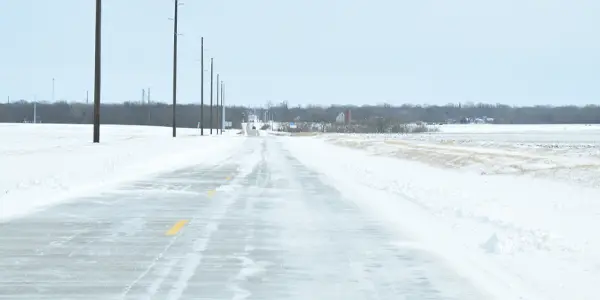
Tires Built for Midwest Weather and Road Conditions
Stay safe on Midwest roads with tires built for snow, rain, and long drives. Visit Les Schwab for expert help.

Tires Built for the Pacific Coastal Region, From California to the Pacific Northwest
Find tires built for coastal roads, from the Pacific Northwest to California. Stay safe on wet, salty, and curving coastal roads with help from Les Schwab.