-
Last-Minute Checklist
As you get ready to head out, mark these items off your list:
-
How to Choose a New Set of Custom Wheels
Adding a set of custom wheels can add a lot of visual appeal to just about any vehicle. We’ve put together some recommendations to help you choose the right wheels for your car or truck, including aesthetics, safety, size, fit, and tech compatibility.
Looking Good
The style and finish on a set of custom rims can dramatically change the look of your car or truck. Start shopping right now or visit your local Les Schwab where you’ll find Wheel Discovery Centers. There, you can see specific sets of custom wheels on the make, model, year, and color of your vehicle. This is a great way to sift through the many options and narrow your choices before making a commitment.
Think Safety
Proper fit is crucial when choosing custom wheels. The pros at Les Schwab will help you look at three vital areas before choosing your set of wheels.
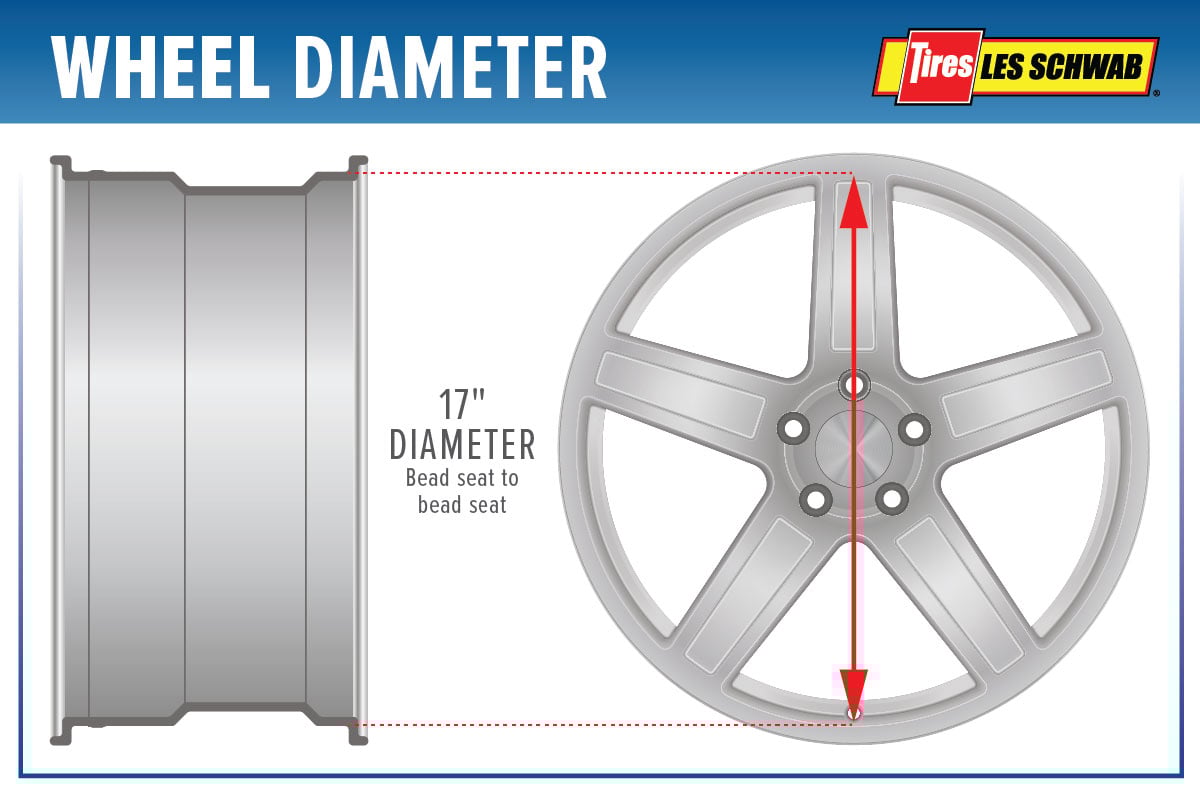
Overall Diameter: The wheel and tire combination should always clear the braking components, suspension parts, and the body of the vehicle. This is important whether you want to increase the diameter of your wheels for a street-worthy look, or decrease the wheel diameter for more tire sidewall and better off-road performance.
Offset and Backspace: To ensure proper clearance, it’s critical to know how far inside and outside the entire wheel and tire package will sit in the wheel well. Improper backspace or offset can cause interference with things like the body and steering components, and possibly decrease your turning radius.
Proper Mounting: Many of today’s vehicles come from the factory with wheels that fit precisely around the hub. This is referred to as hub-centric fitment, which helps provide a consistent centering of the wheel and tire assembly when mounted to the vehicle. This reduces the chance of an imbalance that may result in a vibration in the steering wheel or seat while driving. Our team understands the importance of maintaining a hub-centric fit whenever aftermarket wheels are being considered.
How to Pick the Right Size
There are many sizes to consider when purchasing new wheels. The image below is an example of how plus and minus sizing works. Plus sizing boosts the diameter of your wheels while decreasing the profile of the tire sidewall to match the overall tire diameter suggested by the manufacturer. Minus sizing works in the opposite way to allow for a taller sidewall.
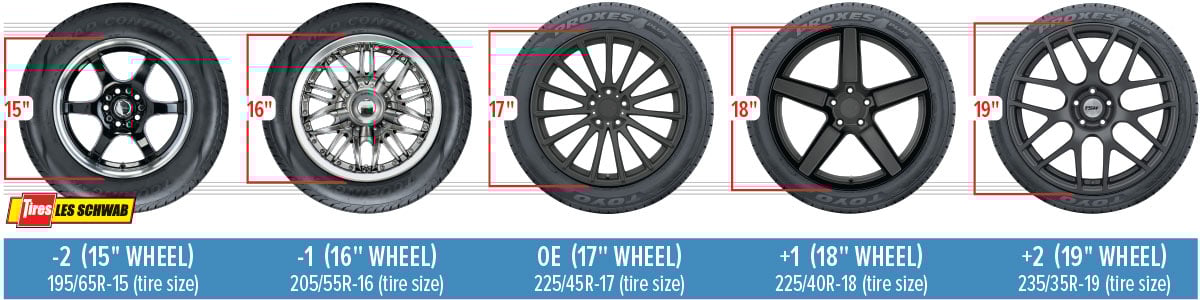
Here’s a comparison of how two wheel-tire packages of different sizes look on the same vehicle.
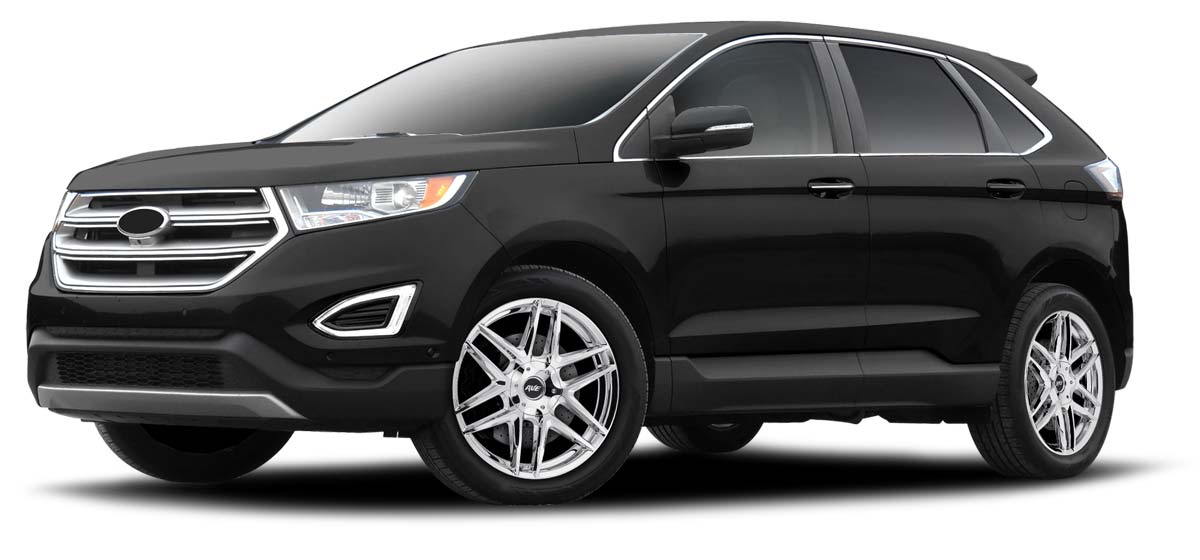
Car with 18-inch wheels. Note the higher tire sidewall. 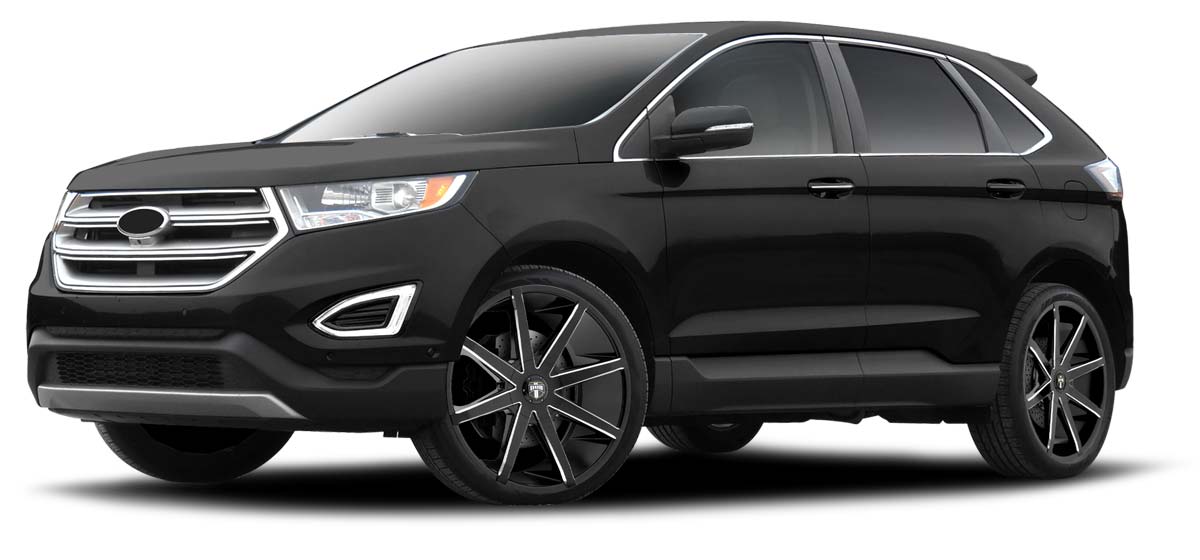
Car with 20-inch, plus-sized wheel and low-profile tire. Note the shorter tire sidewall.
Bolt-Pattern Matters
There are a variety of bolt patterns and your new custom wheels must match in order to fit your vehicle properly. Even if your vehicle has five lugs, there’s no guarantee that every five-hole wheel will fit. At Les Schwab, we stock thousands of custom wheels and can help you find the right bolt pattern and fit for your vehicle.
Check the Tech
TPMS (Tire Pressure Monitoring System) compatibility is also important. Equipped in most new vehicles, the TPMS in your vehicle should be reset after installing new wheels. At Les Schwab, we take care of that for you.
Les Schwab Knows Custom Wheels
Keep in mind, that your options will be specific to the make and model of what you drive. Our team of pros understands what wheel and tire sizes will fit your vehicle and meet your performance expectations. Stop by today and to check out your options. With every custom wheel sale, Les Schwab will give you a free, written warranty good at any of our locations. This gives you peace of mind as you roll away on your new custom wheels.
-
What Are Advanced Driver Assistance Systems (ADAS)?
Advanced Driver Assistance Systems (ADAS), more commonly known as advanced safety systems can be found in many of today’s new vehicles. Including front-facing cameras that apply emergency braking when necessary, there’s a good chance your vehicle already has some of these safety-minded features. Let’s take a look at these safety systems, how they work, and how to ensure they function properly when you need them most.
Defining Advanced Safety Systems
Over the last decade, more automakers have added advanced safety systems to their vehicles. Some of the most common and family-friendly options are lane departure warning and lane-keeping assistance, automated emergency braking and collision warning, and adaptive cruise control. Other options include pedestrian detection and avoidance, traffic sign recognition, and blind-spot detection.
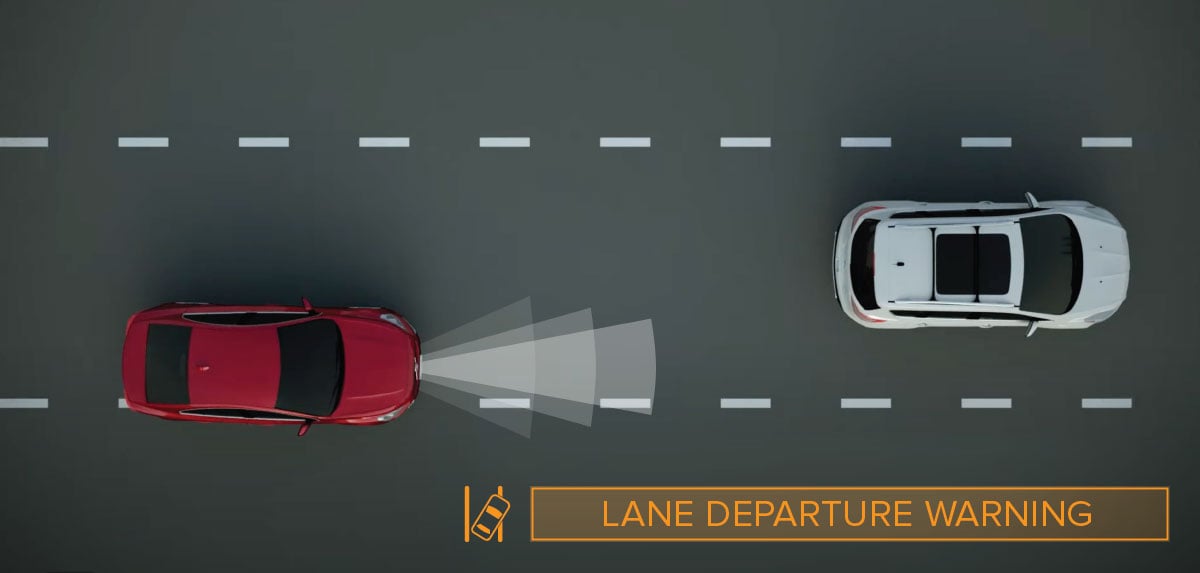
Lane Departure Warning and Lane-Keeping Assistance Help keep your vehicle in your lane.

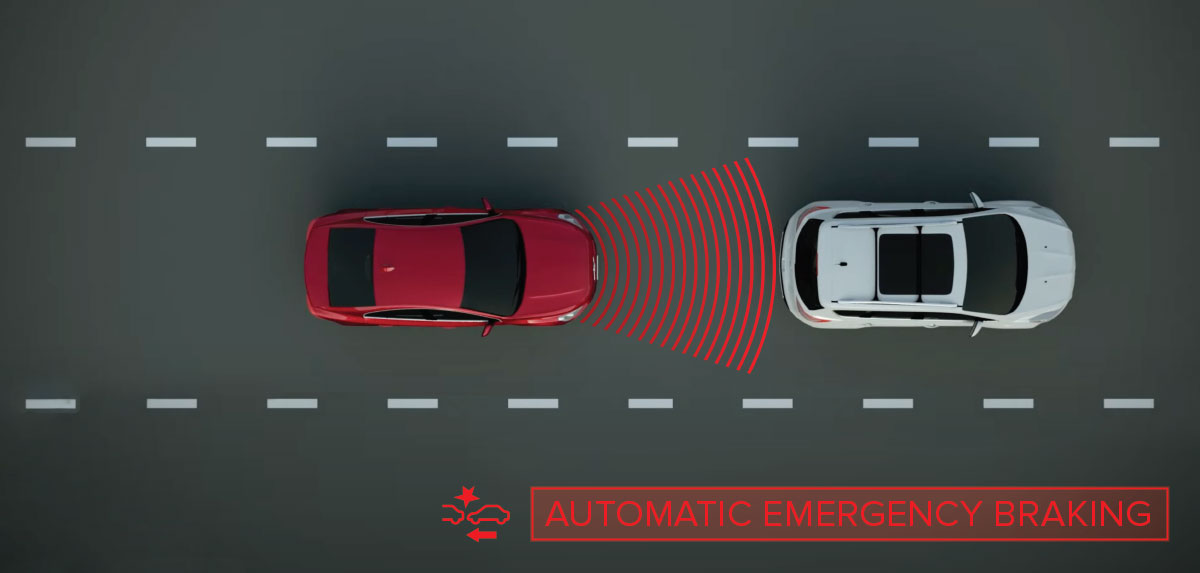
Automated Emergency Braking and Collision Warning
Are designed to avoid accidents
from multiple angles.
Adaptive Cruise Control
Aids in maintaining a safe distance
between you and the vehicle ahead.If your vehicle has a front-facing camera, or sensors on the side mirrors or rear bumper, there’s a good chance your car or truck already has some of these features.
How Does ADAS Work?
Advanced safety systems help you stay safe on the road. Using a system of sensors and cameras, along with state-of-the-art computers and specific software, these options can alert you to a nearby vehicle or obstacle, stop the vehicle when needed, move the car or truck back into its lane, and continually monitor surrounding areas.
These systems often use one of four types of sensors to monitor the area around your vehicle.
- Ultrasound is used for parking assistance.
- Cameras are often used for adaptive cruise control, lane departure warnings, emergency braking, collision avoidance, and pedestrian detection, as well as traffic sign recognition and views from all sides of the vehicle.
- Lidar may be used for emergency braking, collision avoidance, and pedestrian detection in the future.
- Radar may be used for blind spot detection, rear collision warning, and cross-traffic alerts. Long-range Radar is often used with adaptive cruise control.
These systems are there to help make driving easier. Using Radar as well as Lidar and global positioning satellites, it’s possible to know exactly where your vehicle is in relation to other nearby objects, the speed you are traveling, and when to take action to avoid an accident. These innovations could someday lead to fully self-driving vehicles.
Why Is ADAS Important?
AAA has found that advanced safety systems have already improved driver safety in the U.S., including lowering accident fatalities. Of the 38,824 deaths related to traffic accidents in 2020, 94% of those were caused by human error, according to the National Highway Traffic Safety Administration (NHTSA). The number of deaths due to traffic accidents is expected to drop as more automakers begin adding ADAS safety features as standard equipment.
Schedule your free Pre-Trip Safety Check at Les Schwab.
Advanced Driver Assistance Systems Applications
Some of the more common advanced safety systems include adaptive cruise control, lane departure warnings and assistance, as well as emergency braking.
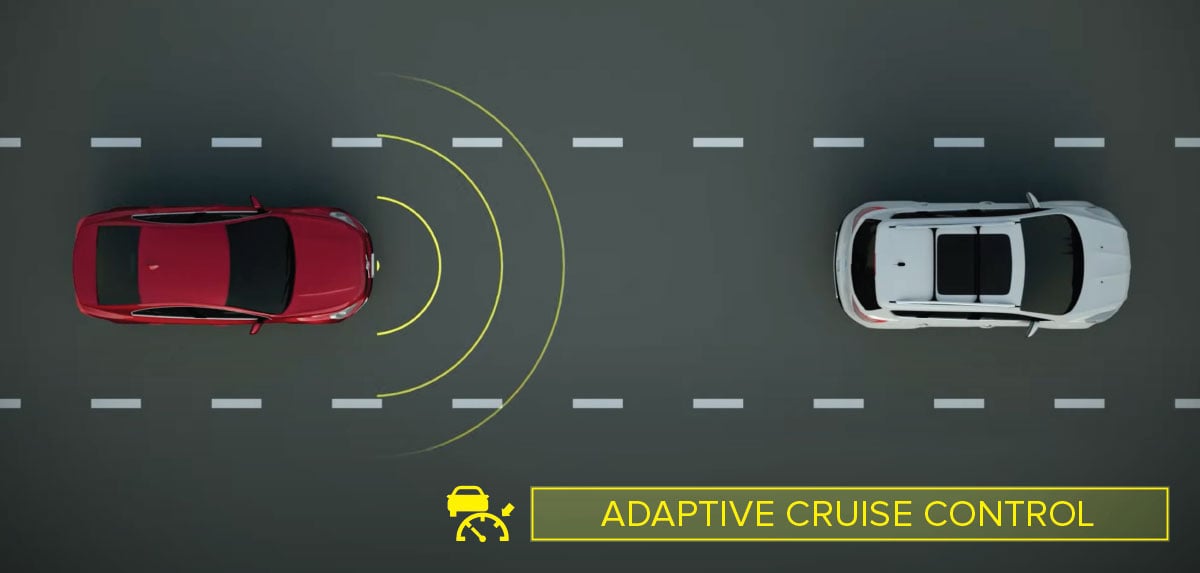
Adaptive Cruise Control
Maintains a safe distance between you and the vehicle ahead.
Lane Departure Warning and Assistance
Keeps your vehicle in your lane.
Automatic Emergency Braking
Helps avoid accidents from many angles.
Other safety systems include:
- Anti-lock Brake Systems (ABS)
- Cruise control
- Tire Pressure Monitoring Systems (TPMS)
- In-vehicle GPS and Navigation
- Forward collision warning
- Backup cameras
- Electronic stability control
- Blind spot monitors
- Automatic parking
ADAS Makes Driving Easier
There was a time before intermittent wipers and power steering when driving was a lot more difficult. Over the years, plenty of innovations have made driving easier and safer. These include ADAS. While they might be optional right now, over time these systems will likely be standard equipment either through consumer demand or government legislation. And there is a good chance you won’t want to go driving without them.
Are ADAS Features Expensive?
Safety features have always added to the cost of new vehicles. But those costs are often happily paid when it comes to family safety — especially when you’re traveling at top speed down a busy highway.
Aside from the initial cost of some of today’s technology packages and safety features, the cost of repairing and maintaining advanced safety systems can add to the overall cost of your vehicle. That can include calibration after a wheel/tire alignment or auto accident and other repairs. But as the NHTSA reported, the chances of getting into an accident in the first place will be greatly reduced as more drivers choose these features.
What ADAS Features Should I Look For?
When given the option, carefully consider features such as emergency braking, collision avoidance, and adaptive cruise control. The NHTSA says these features can and will continue to save lives.
Give Your Car the Attention It Deserves
ADAS or advanced safety systems rely on computers as well as other vehicle input to keep you safe on the road. Your vehicle alignment, tires and suspension can have a big impact on those systems and your overall safety.
Get your alignment, shocks, struts, steering, and suspension checked and adjusted at Les Schwab. If everything lines up and you don’t need any work, our pros will let you know. If you do need some updates, they’ll show you all your options and help you make the right choice.
Schedule An Appointment
Opens warranty information dialog with language options