
-
These 3 Useful Driving Tips Will Help Extend Your Brake Life
Follow these good driving habits to help you get the most mileage between brake service:
1. Plan Ahead
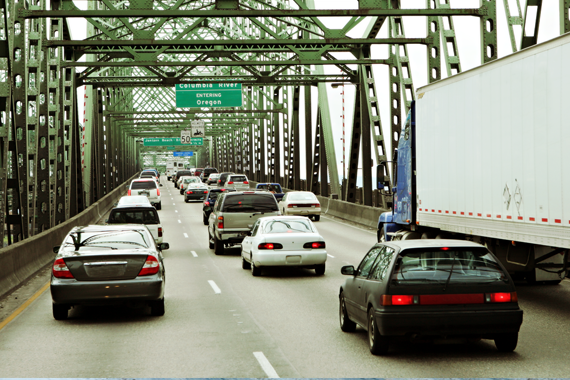
Instead of stomping on the brakes just before the stop sign, traffic light or turn, slow down well before the stop. Then the engine does some of the work, reducing wear and tear on your brakes. On the highway, lift your foot off the gas pedal as soon as you see brake lights ahead.
2. Use the Right Braking Method in the Mountains
If headed downhill or over the pass on dry pavement, drive in lower gears. Here’s how: Put your vehicle in the gear that allows you to travel at the safe speed when you start down the incline. Then apply the brakes intermittently with light pressure for about five seconds if your car speeds up, so you maintain the right speed. As in #1, this will let the engine do some of the work.
Note: This only slightly increases wear and tear on your engine. In normal driving, the “front face” of the gears and transmission wear down. With this kind of engine braking, the “back face” of the transmission does the work. You rarely engage the back face, so it’s a good trade between transmission and brake wear.
By balancing engine braking and pumping your brakes, you allow your brake system to cool. Riding the brakes down a long hill generates friction (which creates the stopping power you need). It also creates heat as your brake pads are in constant contact with the rotor. The longer the hill, the more friction and heat you generate, and the greater the wear on all brake system components — pads, shoes, fluid, brake calipers, rotors or drums and hoses.
It’s also a safety issue: Too much heat can also heat brake fluid, causing brake pedal fade, right when you need your brakes most.
Don’t use this technique when you are driving downhill in icy or slick conditions. Start at the top of the hill as slowly as possible and double the distance you’d normally give between you and the driver ahead. Assuming you’re driving a passenger vehicle (not a big rig), leave your auto in normal drive gear and use light, steady pressure on the brake pedal to maintain the right speed.
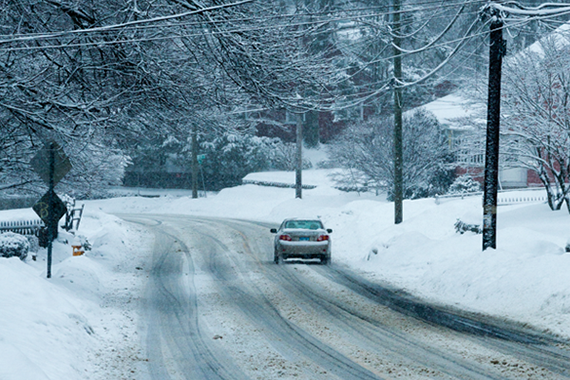
This allows your antilock braking system (ABS) to kick in instantly if you lose traction. When you use your engine for braking by downshifting, only your drive tires slow the car. (Your drive tires are the front two in a front-wheel-drive auto, back tires in a rear-wheel drive, and all tires if you’re driving an AWD or 4WD vehicle). If the drive tires lose traction and your car starts to slide, the ABS won’t engage and you can lose control.
If you use the brakes instead, the ABS is ready to engage. ABS maintains traction by making sure all four tires slow at the same rate when you apply the brakes. You’ll minimize fishtailing and be able to steer in the proper direction. (Read more about how ABS works.)
3. Follow the Three-second Rule
Pick a stationary object even with the car in front of you — a sign, a building, or a side road all work well. Then count to three. If you pass that object before you get to three, you need to back off and leave more space.
Remember driver’s ed? It was all about defensive driving and safe following distance. This style of driving is not only safest; it’s the easiest on your brake system. Stop-and-go traffic puts high demands on your brakes and decreases brake pad life. You can reduce the wear on your brakes by leaving enough space between you and the car ahead so you don't have to tap the brakes as often.
Save Your Brakes: Drive Smart
Brake pads, shoes, drums and brake rotors will eventually need service for regular wear and tear. Be sure to follow your owner's manual guidelines. If you think something’s wrong with your brakes, or one of your dashboard brake indicators is lit up, don’t wait to get your brakes checked.
Bottom line: Drive defensively, drive smart, and you’ll extend the life of your brakes.
Schedule an Appointment -
Wheel Size Explained
The wheels that came installed on your vehicle are designed to perfectly fit your vehicle’s suspension, gearing, and bodywork which can affect ride quality and vehicle performance. But that doesn’t mean you can’t have different wheels or rims installed on your car or truck. To understand what wheels will work for your vehicle, we’ll take a look at rim sizes and some basic measurements.
Why Change Your Wheels
There are many reasons you might want to switch out your rims. Maybe you want an extra set of wheels and tires for easy installation every winter, or you’re looking for added performance and handling. You might even be going for a specific look, including sleek and stylish or rugged and cool. Whatever your reason, it’s important to note that getting the wrong wheel setup could cause a vibration, or some rubbing on suspension components or vehicle body parts.
Les Schwab Tip: Before you change the tire sidewall height, tread width, or rim size on your vehicle, talk to the experts first. We’ll help translate the difference in RPM, tire speed, load index, and speed rating and how it will or will not fit with your vehicle’s suspension, gearing, and bodywork.
How to Read Your Tire and Find Your Rim Size
First, start with the wheel size for your vehicle. You can find that on the sidewall of the tires on your original wheels or the inside frame of the driver’s door. Check out Tire Size Explained (Reading the Sidewall) for more.
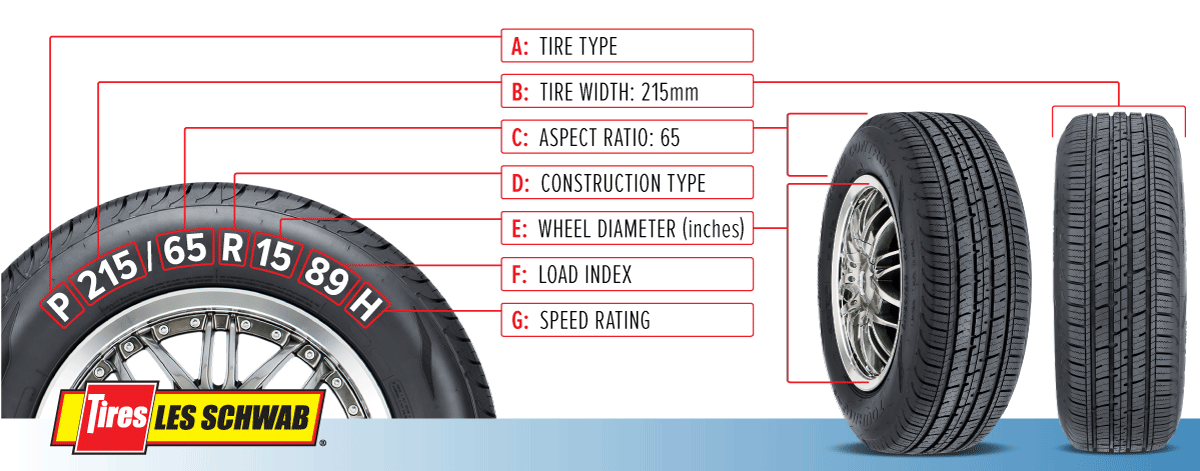
The wheel diameter (in inches or millimeters) is the fifth set of numbers and letters. What do rim size numbers mean? This number represents the distance between the two bead seat areas where the tire is sealed onto the wheel.
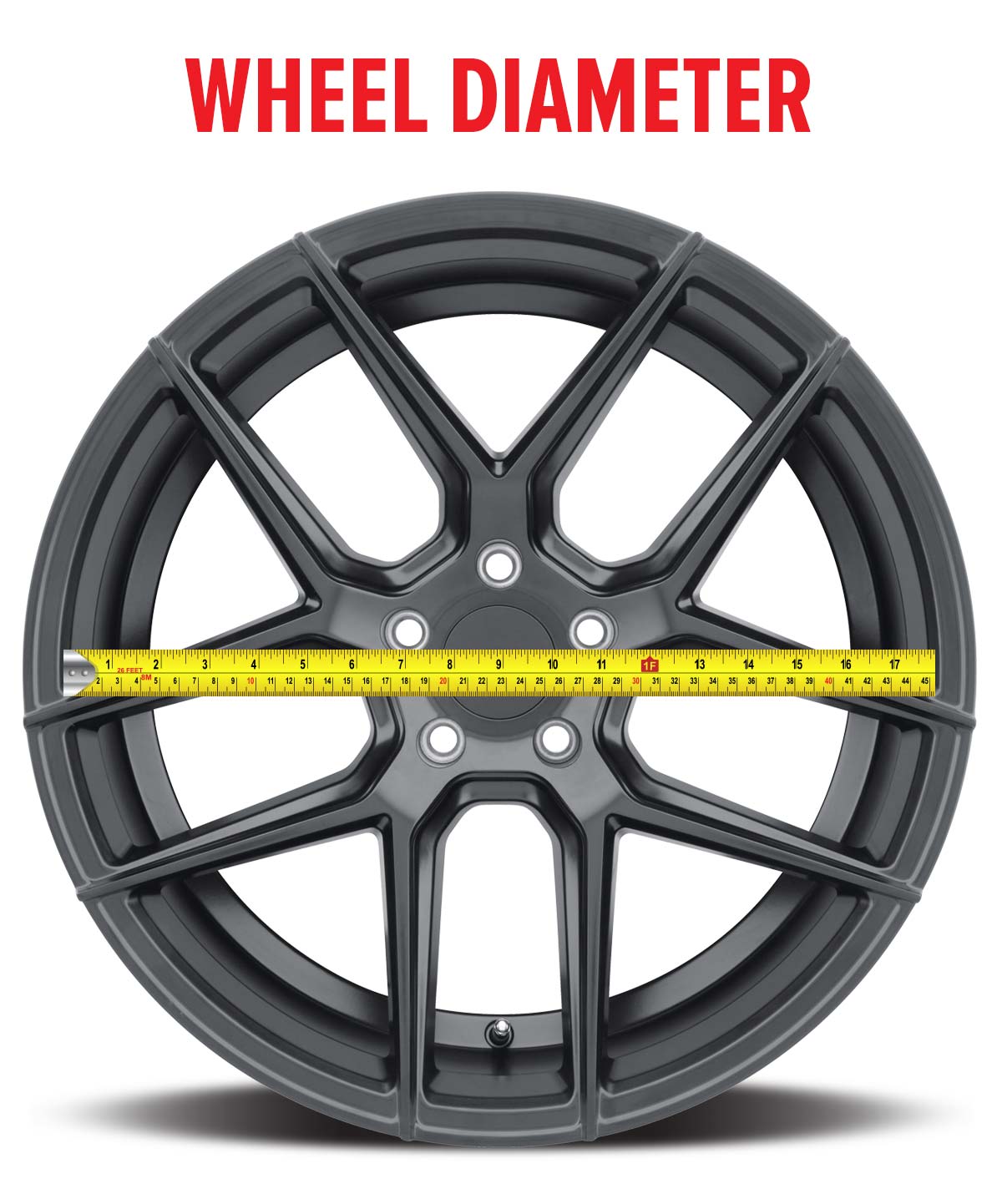
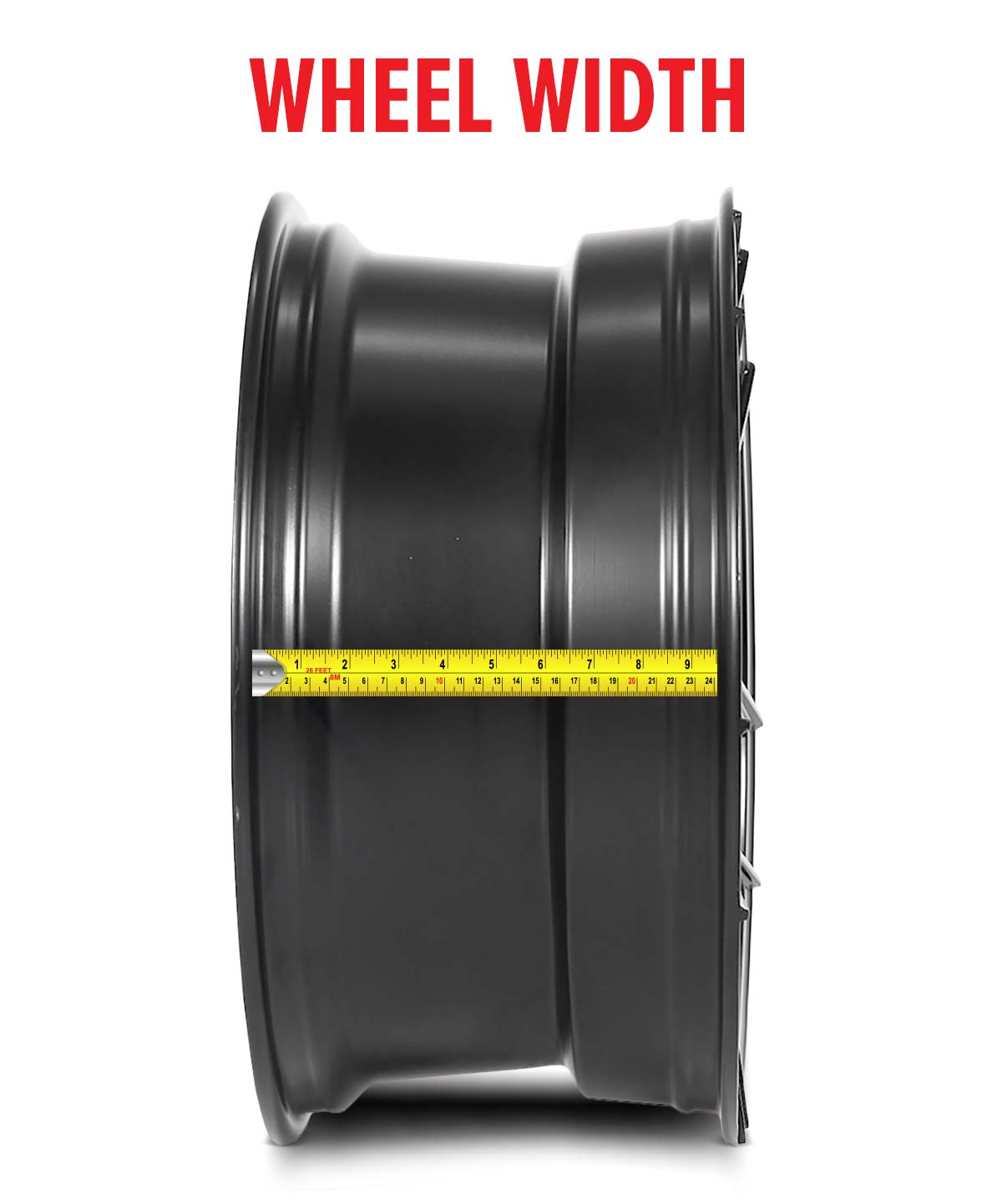
The wheel size also includes its width and offset. The width is the distance from each bead seat (from inside to the outside). The offset determines how the wheel and tire set aligns with the wheel well.
Offset and Backspace Explained
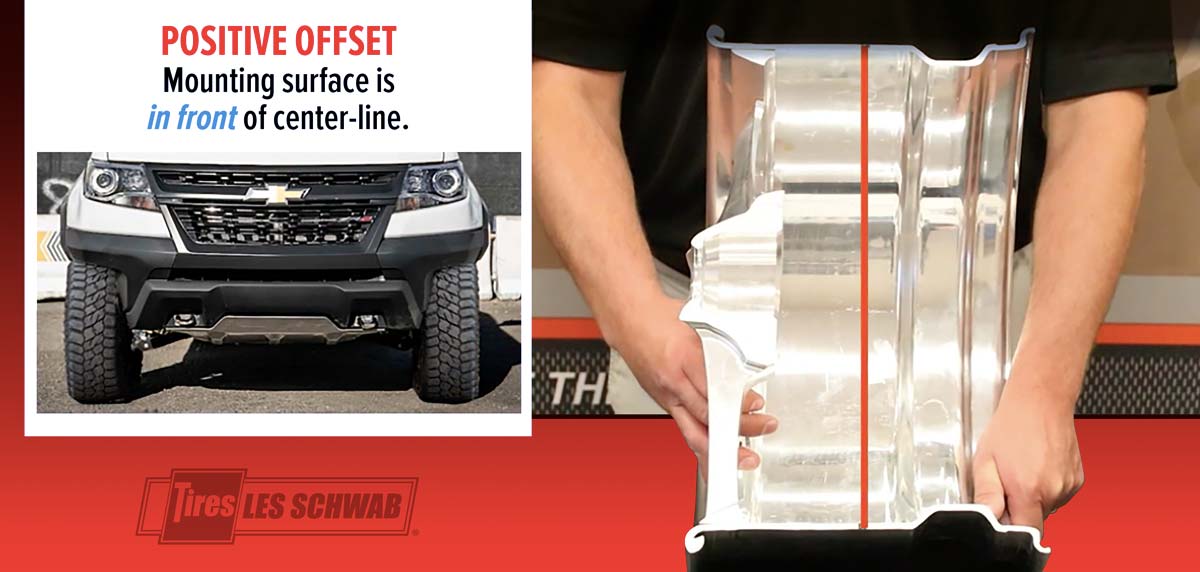
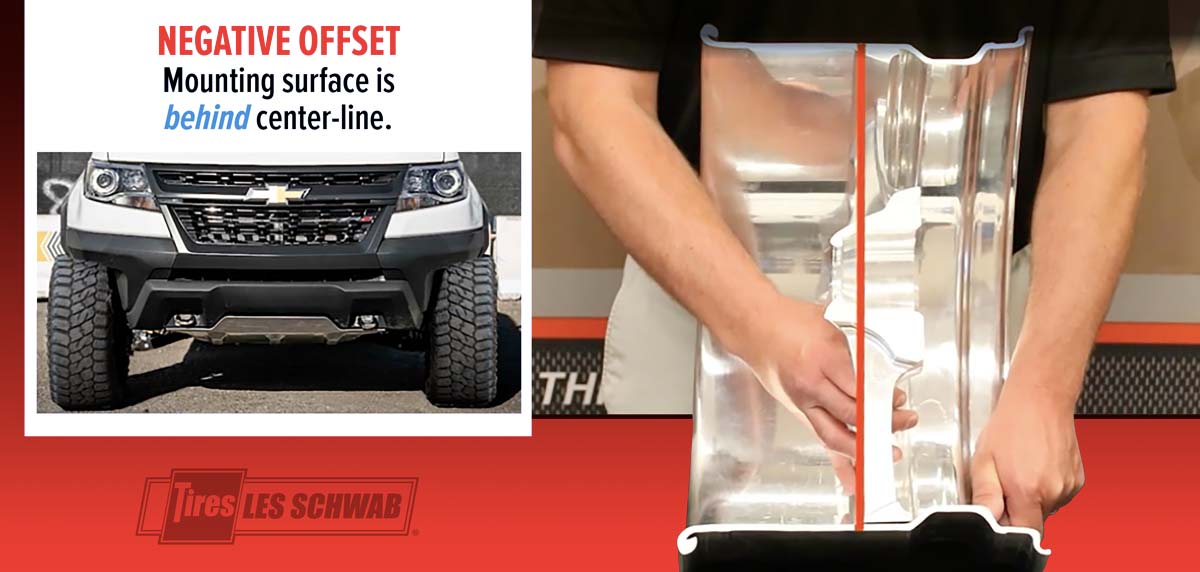
The offset is how far inward or outward the mounting surface is in reference to the center-line of the wheel. The center-line is calculated by simply dividing the wheel into two equal halves. Les Schwab has the tools to accurately measure your center-line.
The offset is how far inward or outward the mounting surface is in reference to the center-line of the wheel.
Here's how offset determines the look of your rims. If the hub mounting surface is in front of the center-line, your rims and tire will be pulled inward. This is called positive offset.
If they are behind the centerline, your rims and tire will stick out from the body of the vehicle. This is negative offset.
Les Schwab Tip: Measuring the offset on your vehicle is difficult without removing the tire and wheel. Consult the pros to get the right fit.
Fitment is Fundamental
To ensure a set of rims fit properly on your vehicle, you’ll need the hub size on your car or truck as well as the wheel center bore measurement and number of wheel studs (as well as the distance between those studs). Les Schwab has those measurements for your vehicle, including bolt patterns.
Understanding Bolt Patterns On Your Wheels
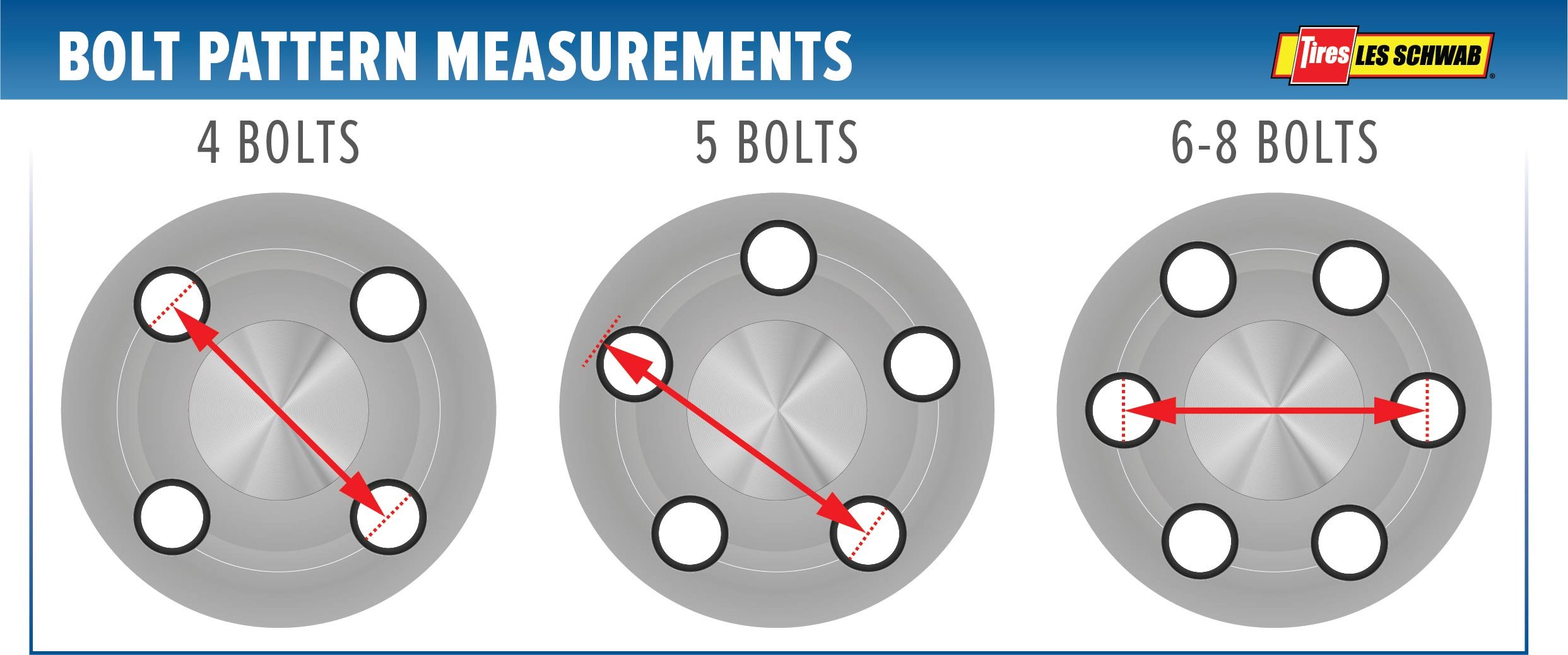
Most vehicles come with a 4-, 5-, 6-, or 8-lug pattern. These bolt patterns, which are specifically spaced, help narrow your wheel or rim choices. While counting the number of bolts on your vehicle is important before buying a set of rims, it’s vital the wheels you choose match the spacing between the wheel studs on your vehicle.
To measure a 4-lug pattern on a set of rims, measure from the center of two holes across from each other. For a 5-lug pattern, measure from the outside of one wheel stud hole and the center of the opposite. And for 6- and 8-lug patterns, measure from the center of one hole to the center of the opposite wheel stud hole. You’ll either need this measurement in inches or millimeters, depending on the wheel manufacturer.
Remember, there’s no need to take these measurements on your own. The pros at Les Schwab do it every day and can ensure you get the right rims for your vehicle.
Les Schwab Carries Custom Wheels
At Les Schwab, we take pride in our custom wheel expertise. Stop by and ask about new wheels for your vehicle. We’ll show you all of your options, whether you’re going for a new look, a boost in performance, a new set of wheels for your winter tires, or simply as a replacement of your current set.
Find a Store Near You Find a Store Near You -
How Often Should I Get My Alignment Checked Per Year?
You don’t have to go off-roading to cause alignment issues. The wheels on your car or truck will get out of alignment over time. Especially with speed bumps and potholes everywhere. Over time, those misaligned tire and wheel assemblies will impact your gas mileage (MPG), cause tires to wear out faster, and reduce drivability. That’s why it’s important to get your vehicle properly aligned at least once or twice a year as part of your basic auto maintenance. Here are some reasons why alignments are necessary, what causes misalignment, and how long it takes to get your vehicle realigned at Les Schwab.
Yes, Alignments Are Necessary
Check out the article Do I Really Need an Alignment for a more in-depth look at the causes and parameters of a properly aligned vehicle. In it, you’ll learn about alignment measurements, tire angles, as well as some of the issues an out-of-alignment vehicle can cause.
What Can Affect My Vehicle’s Alignment?
Everyday driving will cause your vehicle to go out of alignment. But some of the more common alignment-altering events include speed bumps, off-roading, potholes, rubbing along curbs, and carrying loads that are too heavy for your vehicle (or leaving too much weight in your car over a long period of time, such as household items). Other things that can impact your vehicle’s alignment include worn suspension parts, as well as when your vehicle is lifted or lowered. Check out our article on when to replace your shocks and struts.
Things that could indicate you need an alignment:
Hitting Curbs and Potholes
Avoid concrete dividers in parking lots as well as potholes and other road hazards.
Tires Showing Uneven Wear
If you notice one or more of your tires wearing more quickly than the others, your vehicle could be out of alignment. Stop by Les Schwab and we’ll check your tires for free.
Vehicle Drifts or Pulls
Does your vehicle drift or pull to one side? It could be time for an alignment.
Steering Wheel Off-Center
If your steering wheel isn’t level when you’re driving straight, it might be a sign of a misalignment.
When You Buy New Tires
Anytime you buy new tires, get an alignment to prolong the life of your investment. The relatively low cost of an alignment can prevent your costly tires from wearing out too quickly.
Getting it Straight
A properly aligned vehicle handles correctly, achieves optimal fuel efficiency, and maximizes your tire life. When one of your tires is slightly out of alignment, it is essentially skidding. This makes that tire wear out faster. It’s also the reason your vehicle might pull or wander to one side. This can waste fuel, cost you money, and cause safety concerns. Plus, it can add unnecessary wear-and-tear to your car or truck.
When your vehicle needs to be realigned, the experts at Les Schwab will most often perform one of these common types of alignments. These include:
4-Wheel Alignment
This is for vehicles that have adjustment capability at all four wheels. This is common on most front-wheel drive, all-wheel drive, passenger cars, SUVs, and crossover vehicles.
Thrust Alignment
This is for vehicles that have an adjustment capability only available on the front axle. This includes larger trucks and SUVs with solid, rear axles.
Remember, getting your vehicle properly aligned will not put tread back on your tires. But it will help prevent further uneven tire wear. That’s why it’s vital you have your alignment checked at least once per year (twice per year is ideal). Check out our list of Alignment FAQs for some quick answers to common questions.
How Long Does an Alignment Take?
A wheel alignment service, once your vehicle is in our service bay, can take up to one hour. The time frame depends on the severity of the misalignment and whether or not your vehicle requires a thrust or four-wheel alignment. The pros at your local Les Schwab Tires can give you an accurate time estimate.
What’s Included in That Alignment?
In addition to the alignment angles of your tire and wheel assemblies being measured and adjusted, you’ll also get a tire inspection, test drive before and after the alignment, steering and suspension inspection, and a detailed printed report.
Schedule Your Free Visual Alignment Check
The pros at your local Les Schwab can take a look at your vehicle’s alignment and let you know if you need any repairs. If everything looks good, it won’t cost you a thing. If you do need an alignment, we’ll get the job done right and send you home with our Best Alignment Value Promise, which includes a 30-day guarantee and a warranty on all labor costs.
Schedule an Appointment
Opens warranty information dialog with language options