-
15 Tips for Better Gas Mileage and Range
Gas prices are always just a little higher than we’d like. And getting an electric vehicle’s battery fully charged isn’t free and takes time. So, it makes sense to find ways to get more out of every gallon and kilo-watt hour. Careful driving and some regularly scheduled auto maintenance can help you maximize your MPG (miles per gallon) and range. The professionals at Les Schwab have put together 15 tips to help boost your vehicle’s fuel and range efficiency, whether you drive a gas- or diesel-powered truck, an electric car, or a hybrid.
1. Maintain Proper Tire Pressure
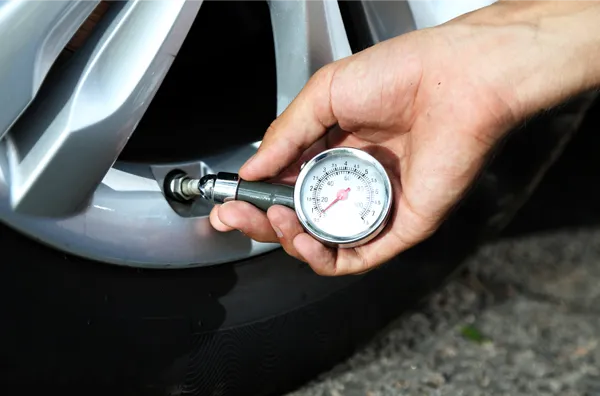
Under-inflated tires can reduce your MPG and range. A lack of air pressure can also affect handling, stopping power, and impact-crash avoidance systems, according to the National Highway Traffic Safety Administration (NHTSA). Over time, it can also damage your tires. To help prevent these issues and improve your MPG and range, stop by Les Schwab for a free monthly air check.
2. Use Low-Rolling-Resistance Tires
When buying new tires, consider low-rolling-resistance options. These tires, which may be an option for your vehicle, are specifically engineered to enhance fuel efficiency and range by minimizing friction between the tires and the road. While they are not ideal for winter conditions, these innovative tires can help you save on gas and boost range by striking a balance between what you need for safety and what you need to save money.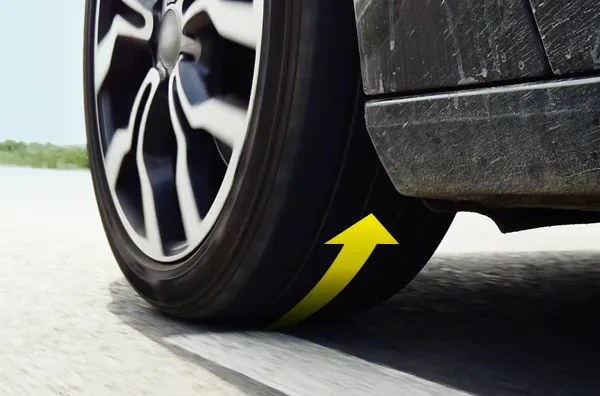
3. Align and Rotate Your Tires Regularly
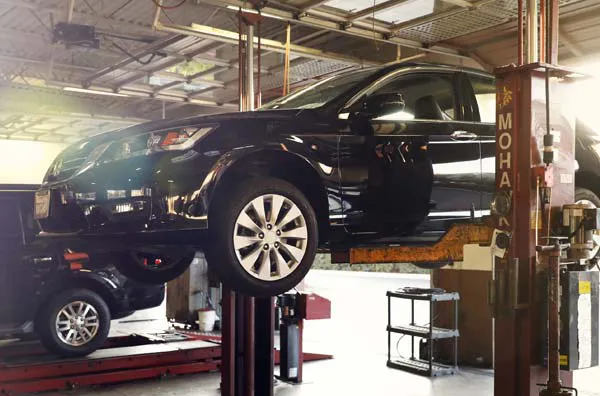
Proper alignment and tire rotations done at regular intervals can reduce rolling resistance and improve your MPG and range. Tire rotations should be done every 5,000 miles or with every oil change to get the most life out of your tires as possible. Additionally, vehicle alignments are part of basic auto maintenance, whether you drive a gas- or battery-powered car or truck. Get your vehicle alignment checked at Les Schwab once a year.
4. Avoid In-City Driving
While electric vehicles get far better range in the city than on the highway, gas- or diesel-powered vehicles in stop-and-go traffic can see a serious decrease in MPG — often by up to 50%, according to the U.S. Department of Energy. The key to increasing your MPG is to maintain a constant speed. Driving on the highway can maximize fuel efficiency for many vehicles. Whenever possible, take highways or routes with fewer stops to maintain a steady speed.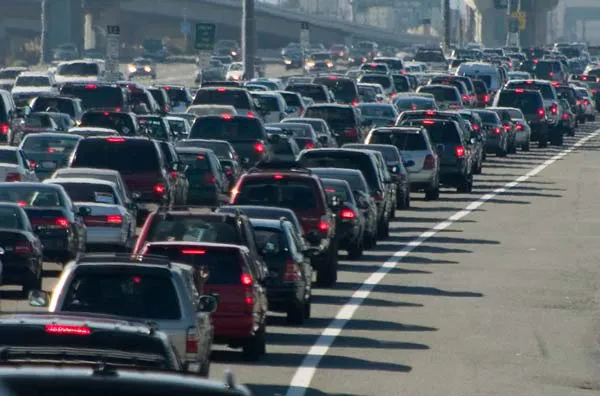
5. Plan Your Trips
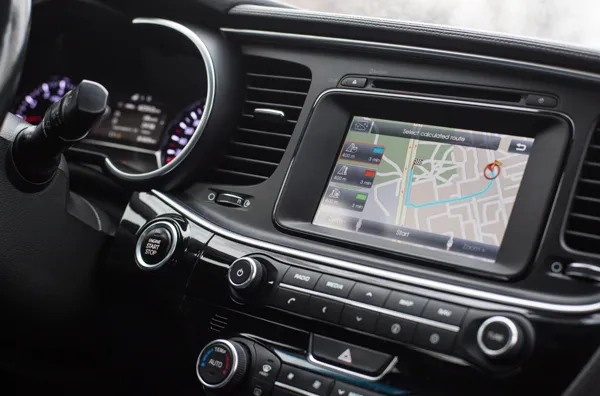
Combine errands into a single trip and avoid unnecessary backtracking. This can significantly cut down on the number of miles you drive. By carefully planning your routes, you can maximize your MPG with fewer stops, conserve fuel, save time, and reduce wear and tear on your vehicle. These small adjustments can help boost gas mileage and overall range.
6. Drive Sensibly
Accelerate, turn, and brake gradually as if there is a very full pot of chili in the passenger seat (seat belted in, of course). In other words, be gentle. Slow, steady acceleration and non-aggressive driving can improve your MPG and range.
According to the U.S. Department of Energy, aggressive driving, including speeding and hard braking, can lower MPG on gas-powered vehicles by 15–30% on highways and 10–40% in stop-and-go traffic. The good news is driving at or near posted speed limits can help maintain fuel efficiency and battery range. Additionally, anticipate traffic stops and other slowdowns as much as possible. This might include coasting to a stop. If you drive an electric vehicle, apply gentle pressure to the brakes to achieve maximum regenerative power.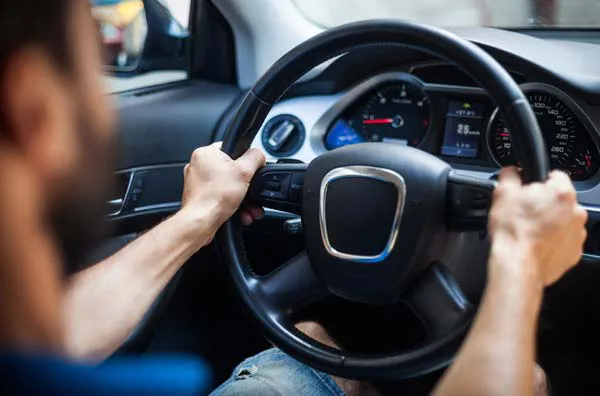

7. Pay Attention to Your Brakes for Drag
Periodically, get your brakes inspected to ensure they’re functioning correctly and not causing unnecessary resistance. That’s because you can experience a reduction in fuel and battery efficiency if your brakes are constantly rubbing and you’re not stepping on the pedal. Ensure your brakes are in top condition for safety and fuel efficiency with a free brake inspection at Les Schwab.
8. Turn Off the EV Comforts When Possible
While comfort controls don’t significantly affect the MPG of gas-powered cars, heated seats, air conditioning, navigation, and stereo systems can reduce battery range in an EV. That’s because the battery power is being used for something other than propelling the vehicle. If you drive an electric car, pre-heat or cool the cabin of the vehicle while you’re charging it.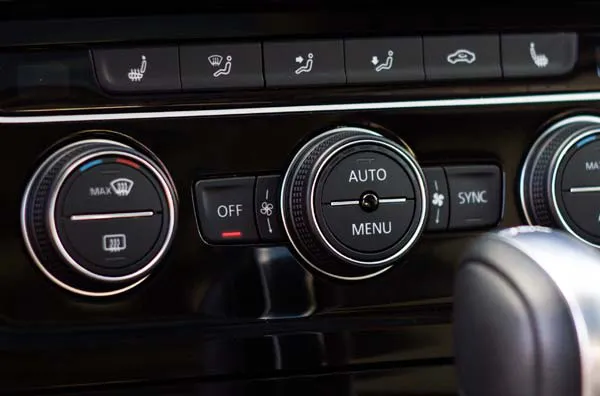
9. Maintain a Steady Speed
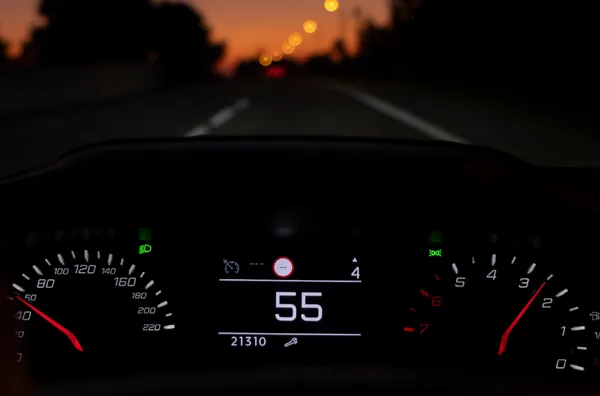
According to the U.S. Department of Energy, using cruise control can minimize speed fluctuations and boost fuel or battery efficiency. Additionally, driving at a consistent speed, ideally between 55 and 65 MPH (when legal), can improve fuel efficiency and range.
10. Use Eco Mode
Most modern vehicles include an eco-driving mode that optimizes acceleration and engine performance for fuel efficiency and a boost in range. By using your vehicle’s eco mode, the computer in your car or truck will limit your acceleration to help you save fuel and battery life.
11. Lighten Your Load
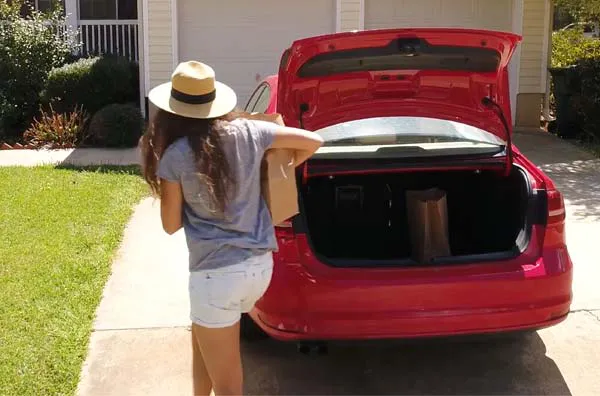
Excess weight can decrease fuel efficiency and range. Removing unneeded items from your car or truck can increase your MPG and battery life. For every 100 pounds you remove, you’ll earn back up to 1% of your miles per gallon, according to Consumer Reports.
12. Limit Roof Racks and Cargo Toppers
Ski racks, overlanding gear, and even cargo toppers create drag, especially at highway speeds, and can limit your MPG and range through air resistance. Some estimates say you could lose up to 25% fuel and battery efficiency at highway speeds. If you’re not using them, remove them.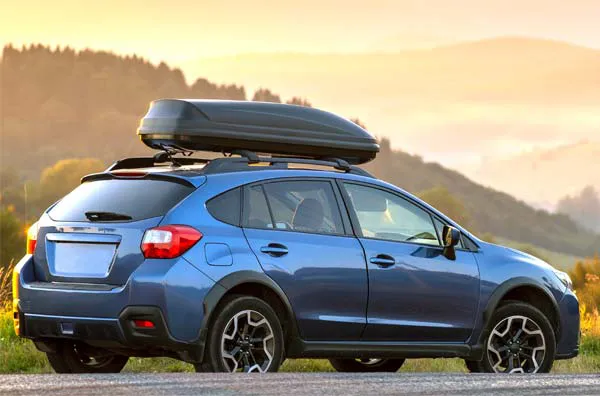
13. Modifications Impact Your Vehicle’s MPG
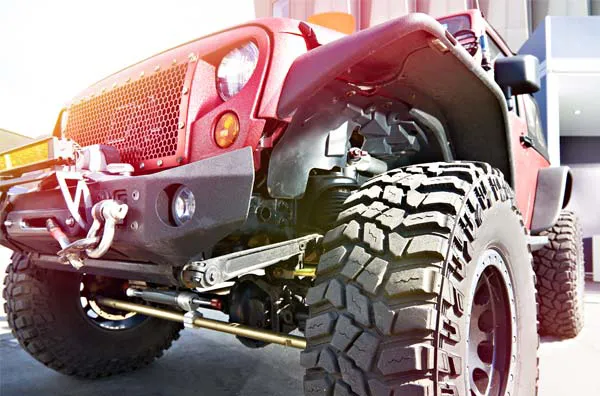
Lifting, leveling, and lowering a vehicle is a nice way of personalizing your ride. However, those alterations can, in some situations, impact your overall miles per gallon and range. Other MPG-altering changes can include adjusting the camber and toe of your tire and wheel assembly. Talk with the professionals at Les Schwab about your options.
14. Avoid Excessive Idling
Idling can waste up to half a gallon of fuel per hour, according to the U.S. Department of Energy. It also uses battery power. Unless you’re thawing it out or cooling the inside of your car or truck, don’t leave your vehicle idling for more than a minute. In fact, many state and local governments have idling ordinances and/or idle reduction programs to encourage energy-efficient driving and help reduce fuel consumption and greenhouse gas emissions per vehicle mile. Instead of idling your car to warm it up, start driving gently. This warms up the engine on gas-powered vehicles for added efficiency.
15. Properly Maintain Your Vehicle
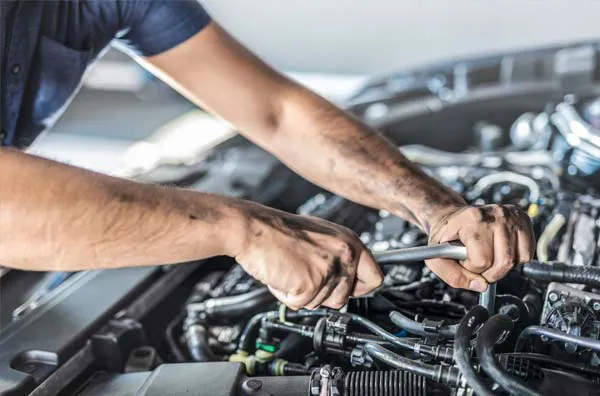
Regular maintenance can help achieve peak efficiency. In addition to checking the air pressure in your tires, replace air filters, spark plugs, and oxygen sensors as needed or recommended by your manufacturer.
Les Schwab Has the Tires, Wheels and Services You Need
Stop by your local Les Schwab for free services like air pressure checks and brake inspections. Our professionals will show you how to improve your fuel efficiency and range, whether that’s with a new set of tires, an alignment, or simply showing you how to engage the eco mode on your vehicle. We’re here to help improve your fuel efficiency and get you back on the road safely.
Book Your Appointment Book Your Appointment
Important Notice: The information provided above is of a general nature gathered from a variety of resources deemed reasonably reliable. The operation of your vehicle, or the repair or replacement of your vehicle’s equipment, may be different than for a typical vehicle. Please consult your owner’s manual for specific warnings, notices, and other advice relative to the subjects addressed herein.
-
Shock and Strut Service and Repair FAQ
The Basics on Shocks & Struts
What do shocks and struts do?
Shocks and struts help the tires maintain traction, by keeping the car from bouncing or the tires from losing contact with the road when you hit a bump or apply the brakes. As part of the suspension system, they help control car motion and keep the weight of your vehicle balanced even around sharp curves, so you have better stability and a more comfortable ride.
A shock or a strut operates the same but mounts differently. Each of the four tires has either a shock or strut connected to that corner’s suspension and vehicle body or frame. These hydraulic cylinders provide motion damping by restricting fluid flow through a series of internal valves. As the wheel and suspension move up and down, the shock valving slows and stabilizes these movements.
How are shocks and struts related to control behind the wheel?
Shock absorber or strut failures can be a driving safety hazard. Along with tires, shocks and struts are key factors in ride control. Ride control is how well a car handles whatever comes at you on or off road — bumps, debris, sudden stops, swerving, potholes, wind gusts, sharp turns. The ability to control your vehicle is reduced when shocks and struts aren’t properly controlling the side-to-side, front-to-back, and up-and-down shifts of the car’s weight that come with everyday driving. This is an even larger concern when the road is slippery, wet or rough.
How do I know I need new shock absorbers or struts?
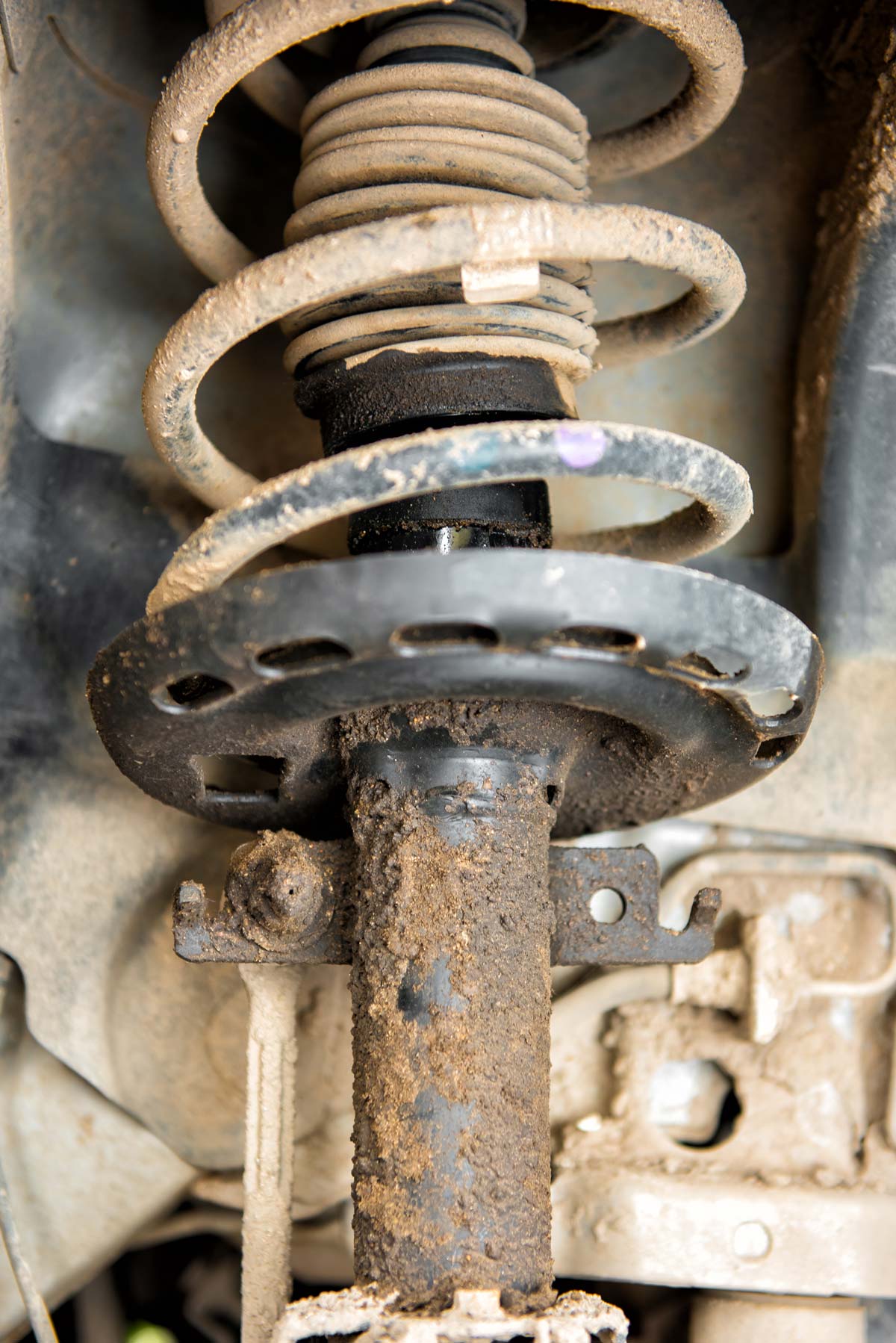
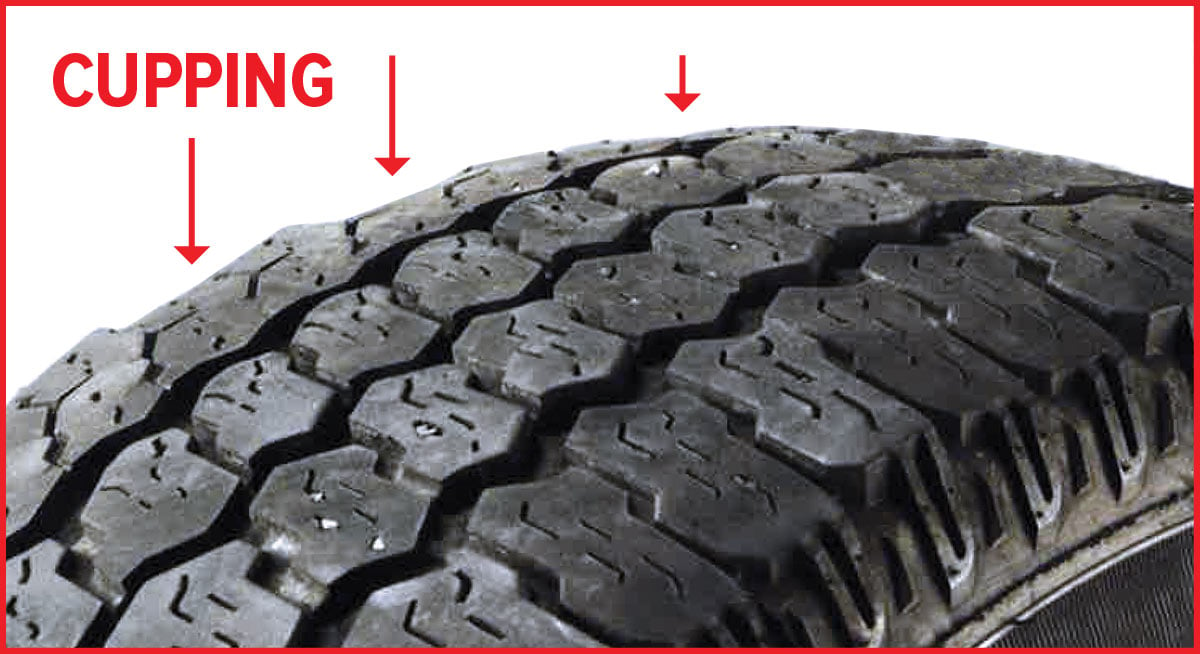
Shock absorbers and struts that are working well mean more stable driving in every condition. When these components are worn, you may notice a rougher ride, longer quick-stopping distance, nose-diving when you apply the brakes, dripping fluid, tires that are cupping, excessive bounce after a bump, or swaying after a turn or stop.
Monotube, gas charged, foam cell — how do I know which shock is right for my vehicle?
With so many choices, selecting the proper shock can be confusing. Just stop by and we’ll give you our best advice, based on your vehicle and how and where you drive it.
Use our Store Locator to find the Les Schwab nearest you.
How often should I have shocks or struts checked?
Even on well-paved roads, shock absorbers or struts can move up or down 1,500 to 1,900 times every mile. Because handling performance tends to decrease gradually, a driver doesn’t always realize how much ride control has been lost. If you notice abnormal tire wear, or more vehicle movement than in the past when cornering, accelerating and stopping, pay Les Schwab a visit. It is a good idea to have your suspension checked on a regular basis, and when you get new tires.
Schedule an Appointment -
A Quick Test for Your Suspension
Take a short drive and check off any of the following that applies to your vehicle:
Opens warranty information dialog with language options