
-
TPMS Light Coming on in Cold Weather? Here’s Why
Every year, the first cold days play havoc with TPMS (tire pressure monitoring systems). If your dashboard TPMS light has ever lit up on a colder-than-normal day, chances are there may be nothing wrong with your tires or wheels. It could be that the air pressure in your tires has been affected by the cold. While you’re always welcome to stop by Les Schwab to have your tire pressure checked anytime you see the TPMS indicator, here’s why your low-pressure tire light comes on and what to do when it happens to you.
How Does Cold Weather Affect My Tire Pressure?
Tire pressure can decrease about 1 PSI (pounds per square inch) for every 10 degrees the temperature drops. It’s not due to air escaping, but rather the air inside the tire condensing. Once it does that, it takes up less space inside the tire. When a tire drops below the recommended fill pressure, the TPMS light comes on. Thankfully, that pressure change is usually temporary. Driving will often heat up the tire and the air inside, increasing the tire’s pressure.
Please Note: Tires routinely lose 1 PSI per month as air escapes around the edge of the rim and through the tread itself. This is completely normal, which is why you should have your tire pressure checked and topped off every month at Les Schwab.
If the TPMS light does not go off after the tires have heated up, bring your tires up to the proper pressure or have your air pressure checked at Les Schwab. If it still does not turn off, you may need to reset the TPMS light.
What Is a TPMS Light?
The tire pressure light (or low-pressure indicator) is just one part of the TPMS system. Some vehicles have two dash indicators.
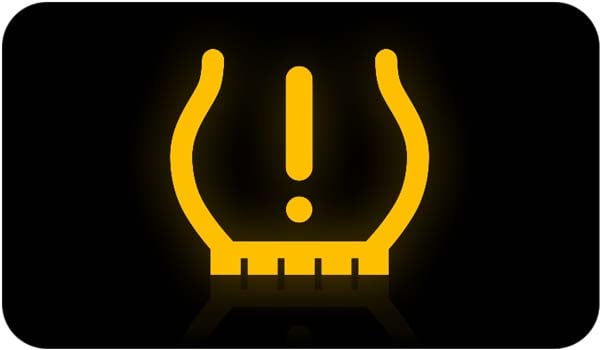
Low Pressure Indicator
The low-pressure indicator looks like an exclamation point in the middle of an open-top, flat tire. This lights up when the pressure in one or more of your tires falls below the recommended fill pressure.

TPMS System Indicator
The TPMS light, available in some vehicles, may light up indicating an issue with the tire pressure monitoring system, such as a dead battery in one of the tire-pressure sensors. If your vehicle does not have a TPMS light, the low-pressure icon might flash, which could indicate an issue with the system.
No matter what causes your tire pressure light to turn on, stop by any Les Schwab. We’ll add air to your tires and check out your system.
Winter Tire Pressure
Winter temperatures can affect the pressure in your tires by up to 10 PSI. Depending on how cold it is, the TPMS light will likely shut off on its own as the air in your tires warms, expands, and reaches proper inflation levels.
Regardless, get your air checked right away. The TPMS light means your tires are below the proper air pressure. This is a safety risk, especially in the winter as the drop in air pressure can cause compromised handling and increased wear and tear on your tires. Your gas mileage could also be affected.
Can You Drive With a Low Tire Pressure Light?
Driving too long with the TPMS light on (and low air pressure) could affect your safety, including handling and braking. It can also decrease fuel efficiency, damage your tire sidewalls, and cause uneven tread wear. If the TPMS light does not go off after you have added air, get to Les Schwab immediately or change to your spare (if you know which tire is low) and stop by as soon as possible.
Does Air Pressure Impact Tire Life and Fuel Efficiency?
Maintaining proper air pressure can extend tire life by promoting even tread wear. Plus, correct air pressure can improve fuel efficiency by up to 3.3 percent, adding up to more miles per gallon.
One More Reason Your TPMS Light May Turn On
Your TPMS light may flash if your vehicle’s onboard computer can’t detect the sensor, whether it has been damaged or you are using your spare tire. While many vehicle spares do have a sensor, some do not.
How Do I Check My Tire Pressure?
During colder months, we recommend you have your tire pressure checked once a month. Throughout warmer months, you might not need to check your tires as frequently. You can check your tire pressure by following the steps below or by watching our video.
How to Add Air to Your Tires
Learn how to add air to your tires.
1. Find Your Recommended Tire Pressure:
Look in your owner’s manual or for a special sticker on the inside driver’s side door for the standard cold tire inflation pressure. This number is the suggested PSI for your tires, as suggested by the vehicle manufacturer.
Please Note: If you suspect a tire or wheel on your vehicle may be damaged, change to a spare and head to Les Schwab. We will inspect it for free.
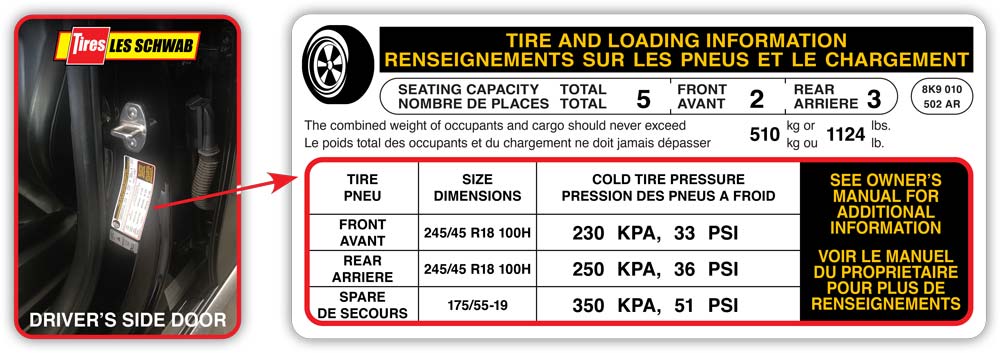
2. Check Your Tire Pressure:
Verify the pressure in each tire in the morning or when the tires are cold. This will give you an accurate reading. To check the pressure in each tire, use a tire pressure gauge. These often look like a metallic pencil with a sliding measuring device on one end and a tire valve connection on the other.

3. Park Your Car in a Convenient Location:
Whether you’re at a gas station or home, be sure you can safely reach all four tires with the air hose.
4. Remove the Tire Valve Cap:
Put the cap in your pocket so you don’t lose it.5. Place the Compressor Fitting Firmly on the Tire Valve Stem:
Begin to inflate your tire. You’ll hear air going into the tire. If you hear or feel air coming out, readjust the connection between the air nozzle and the value stem.
6. Add Air for a Few Seconds:
Keep in mind that not all air compressors inflate at the same rate. You’ll want to check your tire pressure often as you inflate. Add air as needed. To remove air, quickly push in the center pin located inside the tire valve.
7. Replace the Valve Cap:
This helps keep more air in your tires for a longer period of time and can keep road debris (dirt and more) from getting into the valve.
Les Schwab Understands Air Pressure
If you need help with the air pressure in your tires, find a Les Schwab store near you. Our knowledgeable technicians will perform a free visual inspection, inflate your tires to the recommended pressure, and get you safely back on the road.
-
Batteries for Anything You Drive
Les Schwab is well known for having the West’s largest selection of tires. Here are four reasons to come to us for batteries as well.
1. Vast Selection
We have an inventory of quality batteries to power just about anything that rolls:
- Cars, light trucks and SUVs
- Commercial vehicles and heavy-duty trucks
- Motorcycles
- Motorhomes/RVs, fifth-wheels and other campers
- Boats, including personal watercraft
- Off-road vehicles (four-wheelers/quads and side-by-sides)
- Farm tractors and equipment
- Golf carts
- Lawnmowers
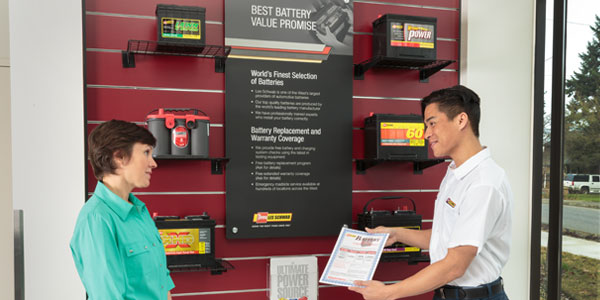
2. More for Your Money
What we say about tires also goes for our batteries: If we can’t guarantee it, we won’t sell it. Our best-in-the-business battery warranty includes a replacement program. We’ll replace standard batteries that are deficient absolutely free for a period between 12 to 24 months, depending on the battery. For motorcycles, golf carts and the like we provide replacements for failed batteries up to six months after purchase. The period for RV, commercial and marine battery replacements extends for one year.
And if your battery fails any time before its expected life after that, we'll refund you the difference. For some batteries, that can mean coverage extending up to seven years.
You’ll also get free auto battery and charging system inspections with your purchase. And you can stop by for a free battery charge at any Les Schwab whenever you want.
3. Expert, Friendly, World-class Service
Our technicians are equipped with state-of-the-art battery diagnostic tools and are well trained in batteries and charging systems. A problem you suspect is being caused by your battery may actually be something wrong elsewhere in the charging system. (Read more.)
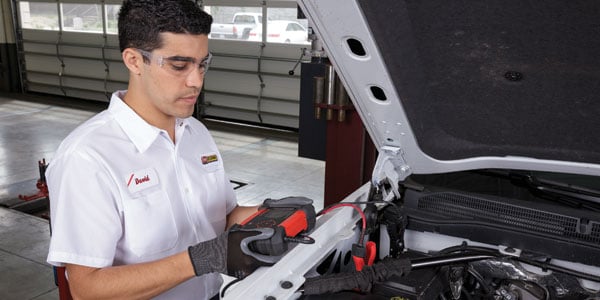
We check any vehicle battery charge for free, whether you bought it from us or not. We’ll give you an honest answer on whether you need a new battery. If you do, one of our service techs will help you decide what battery is best for the job, the vehicle and your budget. Then we’ll install it quickly so you can get on your way without delay.
4. Hundreds of Locations
You can buy, get service on or redeem a warranty for Les Schwab batteries at any of our 480-plus locations across the West. Not sure if you need a new auto battery? We’ll check your battery’s charge while you wait — for free.
For a quality battery backed by a great warranty, come to a Les Schwab Tires near you.
Shop for Batteries -
Benefits of Proper Alignment, Suspension Maintenance
Why Alignment Matters
In its simplest form, alignment is keeping all of the tires on your vehicle moving in the same direction and at the same angle to maximize control and driving efficiency.
A vehicle with proper alignment handles correctly, achieves optimal fuel efficiency and maximizes tire life.
On the other hand, a vehicle with poor alignment pulls or drifts on the road, wastes fuel, and causes premature and uneven tire wear. Poor alignment puts your safety at risk.
Here’s another way to think about alignment. In a poorly aligned vehicle, each wheel may be pointing in a slightly different direction, which means each tire will be skidding just a little whenever you drive. If your tires are perpetually skidding, they not only wear out prematurely but also make it harder for your vehicle to move. This puts extra stress on your vehicle, consumes more fuel and costs you money.
How does your car get out of alignment and what’s needed to get back into alignment? A car comes aligned by the factory when it’s purchased new. Its alignment can change over the course of normal driving. Poor alignment might happen faster from driving on rough roads or hitting potholes, curbs and other obstacles.
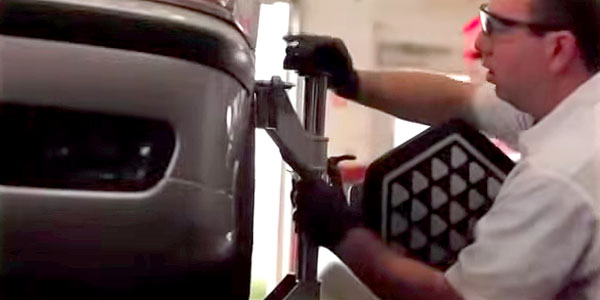
There are a number of different procedures and techniques to align a vehicle. In general, they all work toward getting your car’s wheels and tires to do two basic things:
- Get them all traveling in the same direction.
- Get the tires to strike the road at the proper angle.
There are several different types of alignments available today. Your Les Schwab alignment professional will review with you all the types of alignment appropriate for your vehicle.
Not sure if your vehicle needs an alignment? Just ask. If we inspect your vehicle and find your wheels are within the factory specified range, we won’t charge you a penny. If you do need it aligned, however, our work is backed by our Les Schwab warranty.
Why Suspension Matters
Now let’s talk about suspension. Your car is suspended by a unique combination of springs, shocks or struts. Shock absorbers aid in ride control by keeping the tires on the road and preventing excess bounce after hitting a bump.
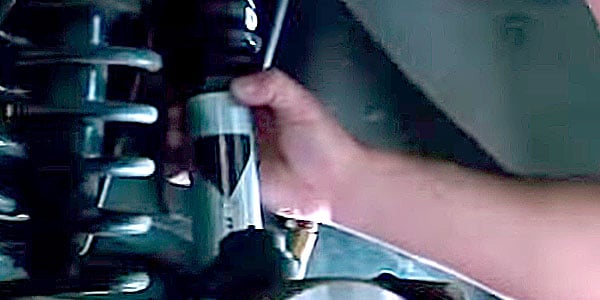
Keeping your tires on the road is the only way you keep control of your car. Worn or damaged shocks don’t keep your tires on the road like they’re supposed to, which means you have less control over your vehicle. This is especially dangerous on rough and winding roads.
Because worn or damaged shocks aren’t doing their job, additional problems can happen, including accelerated wear on other parts of your suspension system and tires, costing you even more money in the future.
Is My Suspension Bad?
Because shocks and struts wear slowly over time, it’s sometimes difficult to know if they’re working properly or not. Not sure if your suspension needs work? Here are a few symptoms to look for:
- Does your vehicle feel like it rolls or sways on turns?
- Does the front end of your car dive when braking, then bounce when stopped?
- Does your car bounce or feel like it’s sliding on winding or rough roads?
- Does your car bottom out on bumps?
- Can you feel your car shimmying back and forth through the steering wheel when you drive?
If so, you’ll want to have one of our trained suspension experts take a look at your vehicle.
Following industry inspection procedures, we’ll check to see if any of your suspension parts need to be replaced. If so, we’ll provide you with a complete cost estimate free of charge, so you can make an informed decision. Les Schwab Tires uses only professional grade parts. And, they’re backed with Les Schwab’s Parts and Labor Warranty.
Alignment, suspension, shocks and struts are all important parts of enjoying a safe, comfortable ride in your vehicle. Properly maintained, they will not only help to keep you safe but will also save you money in increased fuel efficiency and lower repair and replacement costs.
If you have questions about your suspension or your alignment, ask one of our helpful trained professionals at a store near you.
Schedule an Alignment
Opens warranty information dialog with language options